
Power Beyond the Wiring Closet
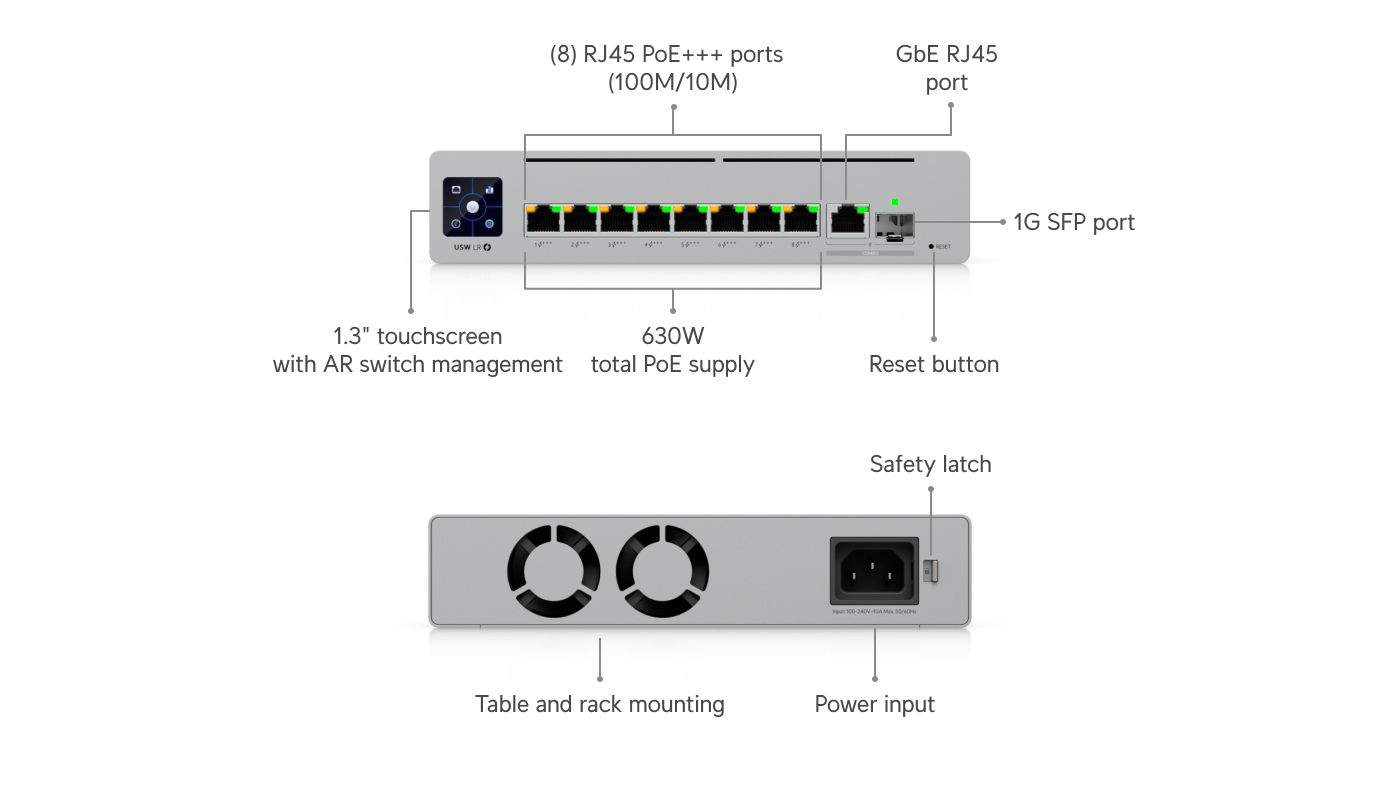
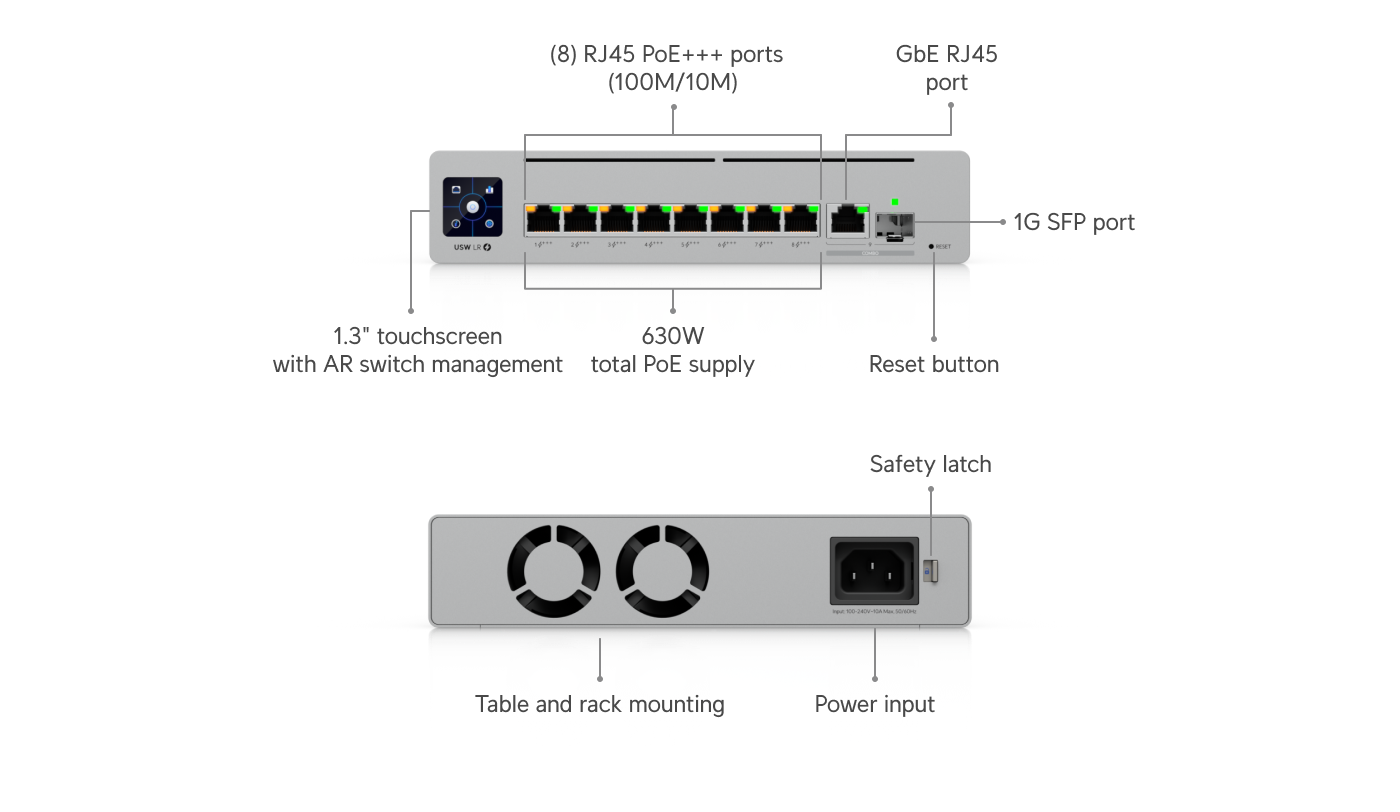
Ubiquiti announced Long-Range Switching on October 27, according to its [official announcement index](https://ui.com/whats-new). Its Long-Range Switch 8 PoE advertises power and connectivity up to 800 meters with dedicated endpoints. For a homelab extending surveillance to a distant gate or outbuilding, that is an interesting alternative to installing another powered network cabinet.
The Endpoint Is Part of the Bill
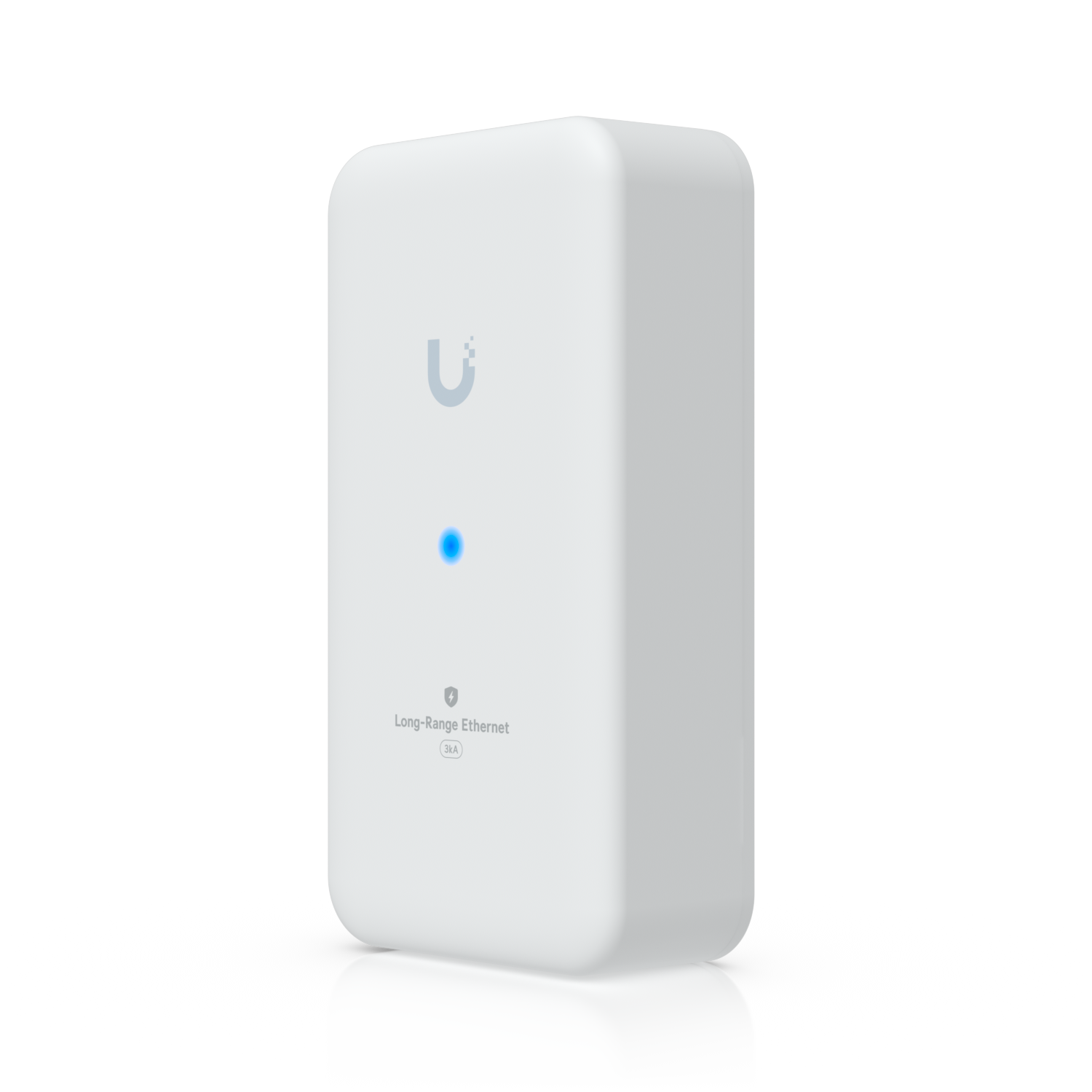
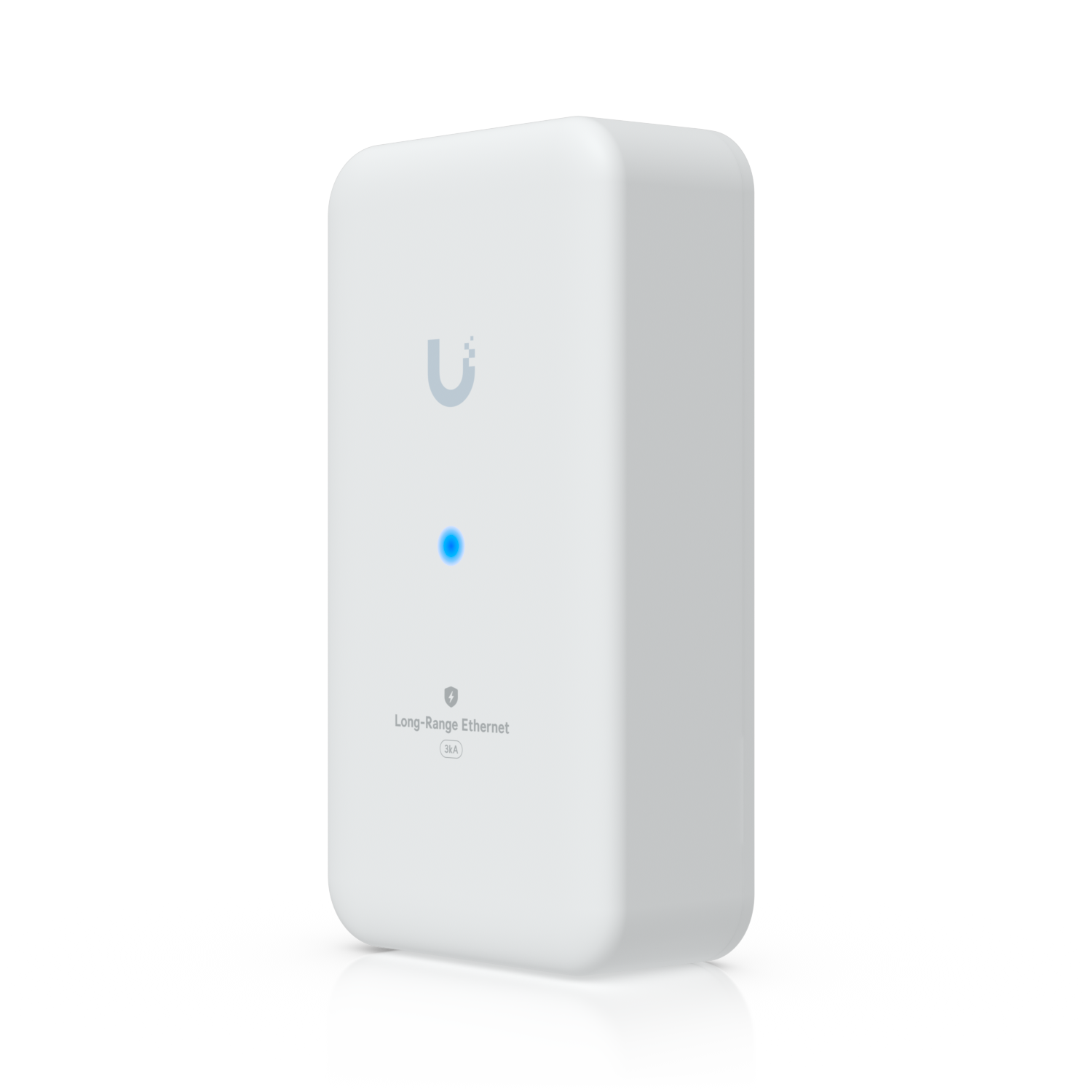
The [US store listing](https://store.ui.com/us/en/category/switching-utility/products/usw-lr-switch-8-poe) shows a $249 base price and $274 including its displayed surcharge. Outdoor Long-Range Endpoints start at $99 and are required for long-range operation. The chart below separates those advertised component prices; it excludes tax, cable and installation.
Distance Does Not Establish Throughput
The product page describes eight ports supporting long-range endpoints, PoE+++ output and an included rackmount accessory. Its power-distance guidance uses UniFi Official Outdoor Cable. An 800-meter reach claim does not establish application throughput or latency, and this article has no independent measurements. Before specifying a remote access point, I would want the supported link rate at the intended distance and the endpoint's available power under load. A camera staying online is a different requirement from a busy wireless uplink.
Treat Outdoor Cabling as Infrastructure
The outdoor endpoint carries an IPX5 rating and built-in surge protection. Those features deserve consideration, but I would still compare the installation with fiber and local power, especially between separate buildings. Put remote cameras in a restricted VLAN, permit only the traffic they need, and test recovery after a power interruption before trusting the deployment. The useful question is whether the complete link stays predictable through bad weather and maintenance, not simply whether it connects on installation day.
Loading comments...