
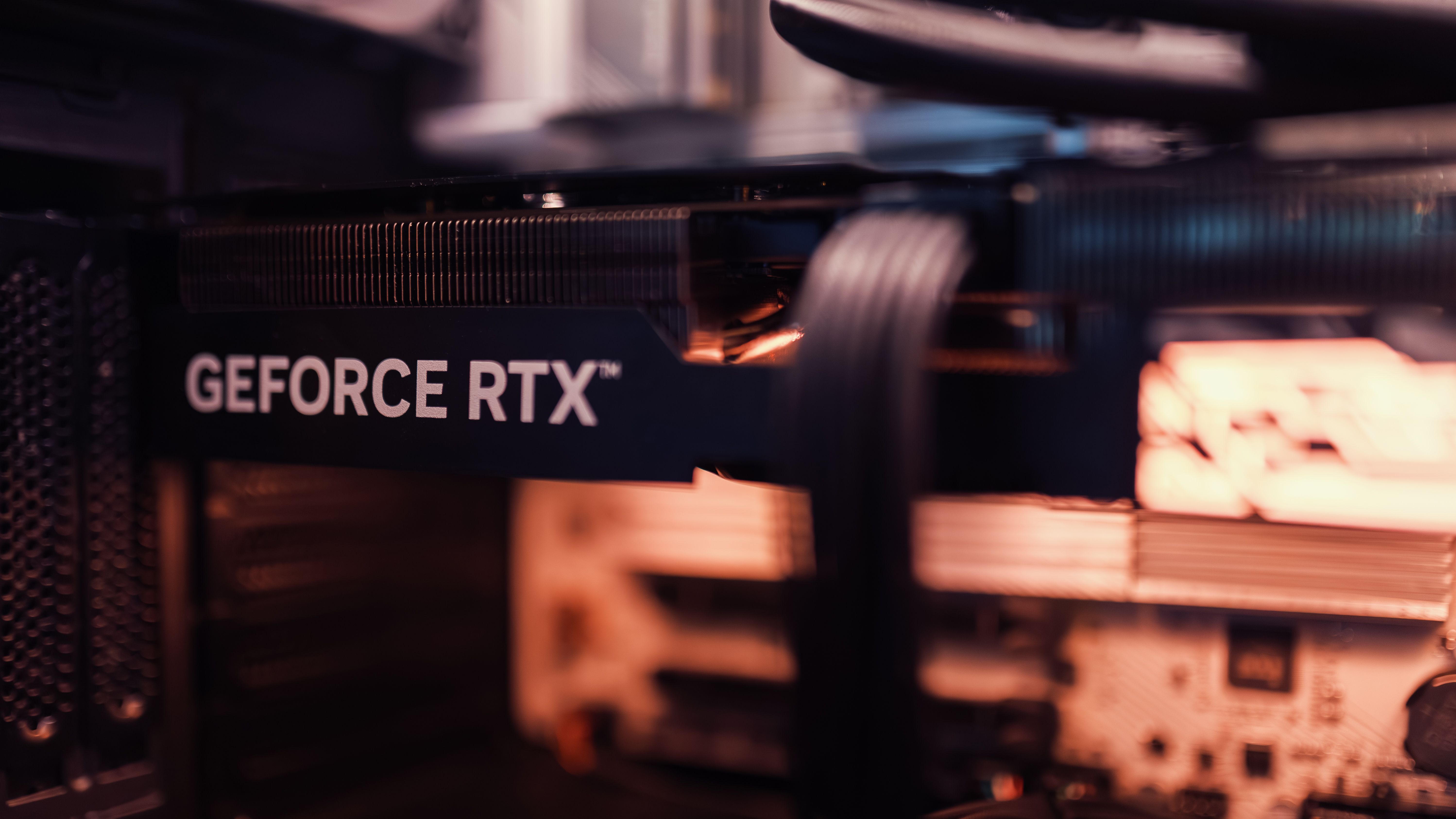
Two Leakers, Same Bad News
I keep hoping someone will tell me I'm wrong about this. Instead I got a second confirmation. Hardware leaker Kopite7kimi, who has an exceptionally clean track record on Nvidia silicon, posted this week that the Rubin-based RTX 60 series, internally codenamed GR20x, is not landing in 2027 like most of us assumed. His exact words: "Unfortunately, GR20x is a product from 2028. That means they have postponed again."
A few days later, leaker Kepler_L2 laid out a more granular roadmap that lines up with the same conclusion. Five Rubin consumer dies, GR202, GR203, GR205, GR206 and GR207, are all now tracking for 2028. Nothing on Nvidia's gaming roadmap is scheduled for 2027 at all.
AMD Isn't Riding to the Rescue Either
If you were hoping to skip the wait by jumping to Team Red, sit down. Kepler_L2's leak also covers AMD's RDNA 5 lineup, and it's nearly as bleak. Only one die, codenamed AT2 and believed to be the RX 9070 XT successor, is still slated for a 2027 launch. The rest of the stack, AT0, AT3 and AT4, covering everything from the eventual flagship down to the budget tier, is pushed to 2028 alongside Nvidia's Rubin cards.
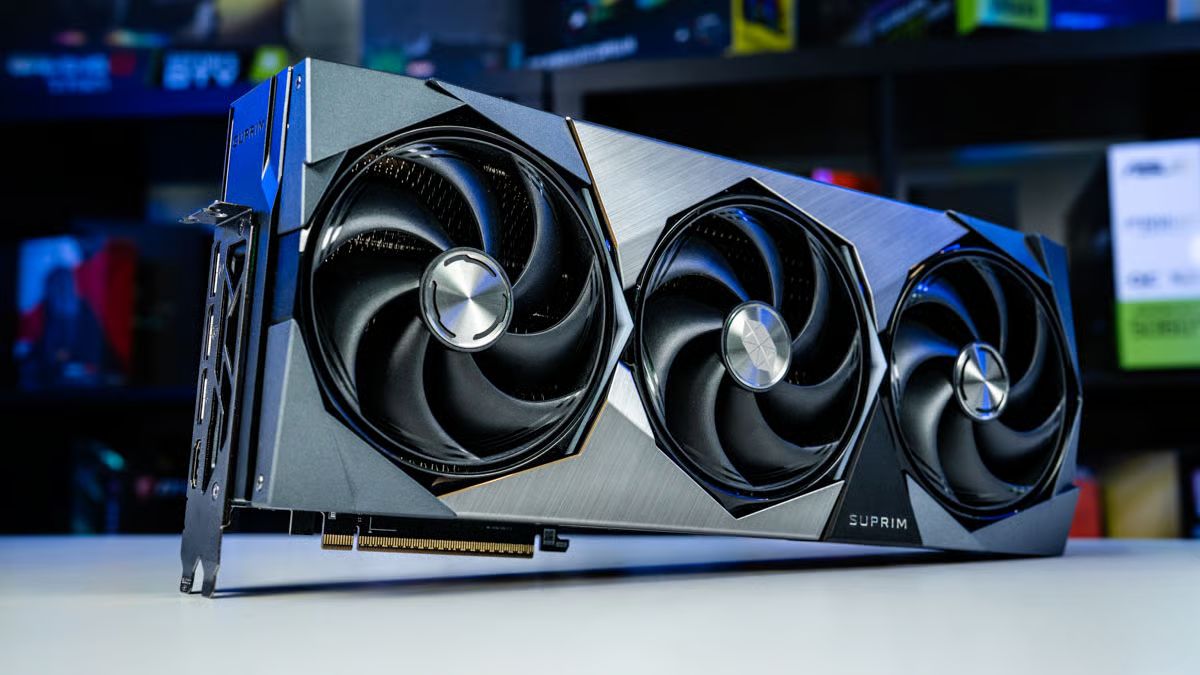
In the meantime, AMD's only confirmed new desktop part for the rest of 2026 is the rumored Radeon RX 9050, an 8GB Navi 44 cut-down with 2,048 cores and a 128-bit bus expected to land around $250 to $300. That's not a new generation. That's a lower SKU carved out of a chip that's already been on shelves since mid-2025.
Why Gaming Silicon Lost the Line
The reasoning is the same story we've been telling all year, just with a harder deadline attached now. Nvidia's Q1 FY2026 data center revenue hit $44 billion, a 69% year-over-year jump, dwarfing anything GeForce contributes. AMD's data center segment is smaller in absolute terms but still the profit center of the company. Every TSMC advanced-node wafer and every CoWoS packaging slot that goes into a Rubin AI accelerator or an MI400 is a wafer that doesn't go into a gaming GPU, and the AI parts sell for ten times the margin. Layer on the GDDR7 and HBM shortage that's been squeezing memory allocation across the entire industry, and there's no scenario where consumer graphics wins that fight for capacity.
Nvidia's own line when asked, as always, is that it "doesn't comment on rumors or unannounced products." AMD hasn't said anything either. But board partners on both sides have reportedly seen zero next-gen engineering samples move through their pipelines, which is usually the tell that a launch is further out than the rumor mill wants to admit.
What a Three-Year Cycle Actually Looks Like
Run the math and the pattern is obvious. The RTX 2080 Ti launched in September 2018. The RTX 3090 followed 24 months later in September 2020. The RTX 4090 landed 25 months after that, in October 2022. The RTX 5090 shipped 27 months later, in January 2025. Every generation has stretched a little longer than the last, and a 2028 RTX 60 launch pushes that gap past 36 months, by far the longest wait between flagship Nvidia generations since the early 2000s.
That's not an abstract problem when you look at what's happening to RTX 50 pricing right now. The RTX 5090 launched at $1,999 in January 2025. As of this month, PC Guide has tracked street prices for the 32GB card climbing past $6,500, with some listings pushing close to $9,000. When there's no successor on the horizon for another two years, retailers and scalpers both know buyers have nowhere else to go.
The Frames You Have Are the Frames You Keep
The RTX 50 Super refresh that was supposed to be this generation's mid-cycle bump has also been stuck in limbo, with kopite7kimi and Moore's Law Is Dead both now pointing to an October 2026 window for the 5080 Super, 5070 Ti Super and 5070 Super, assuming Nvidia doesn't slip that too. If that lineup actually ships, it's likely the only meaningful performance upgrade GeForce owners get before 2028.
My usual line is that frames per second is the only metric that matters, but right now the metric that matters more is patience. Whatever card is in your rig today isn't a placeholder anymore, it's the plan. Budget accordingly, because the next real architectural leap is a long way out.
Loading comments...