
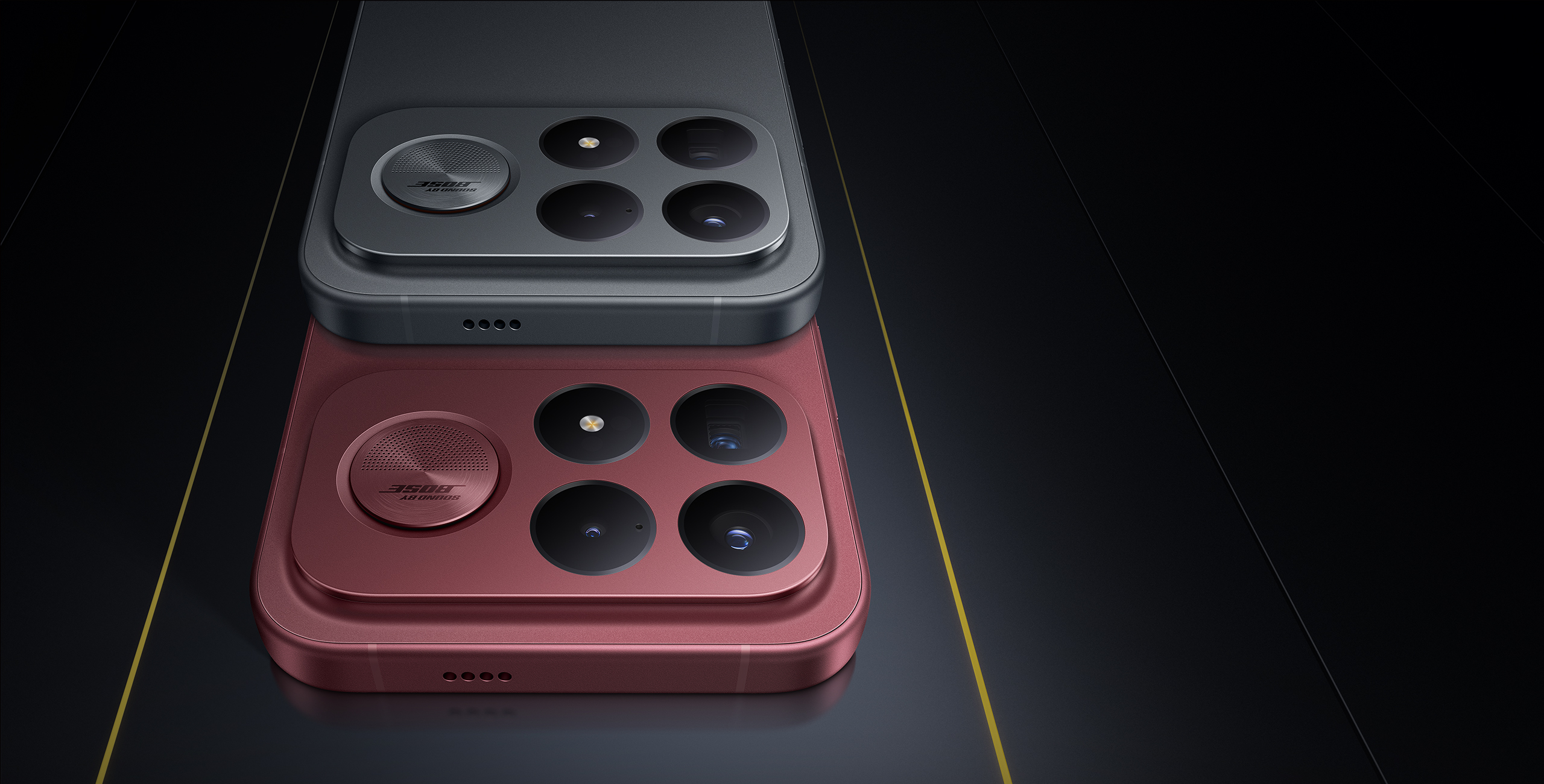
The Battery Number That Made Me Do a Double Take
I have gone through more phones this year than I can count on both hands, and battery anxiety is the one thing that follows me from device to device no matter how good the camera is. So when independent testing showed the Poco F9 Ultra hitting 29.07 hours of screen-on time against the Galaxy S26 Ultra's 18.36 hours in the same benchmark, I stopped scrolling and read that number twice. That is not a marginal win, it is a different category of battery life, and it comes from an 8,050mAh cell that Xiaomi calls the largest ever fitted to an F Series phone.
What makes it more impressive is that Poco did not just cram in a bigger cell and call it a day. The pack uses a silicon-carbon chemistry with an energy density of 809 watt-hours per liter, which is how they fit that much capacity into a phone that still charges at 100W wired and 50W wireless. In real-world mixed use that means a genuine two-day phone for most people, and a full charge in about half an hour when you do need to top up.
A 200MP Camera With an Asterisk
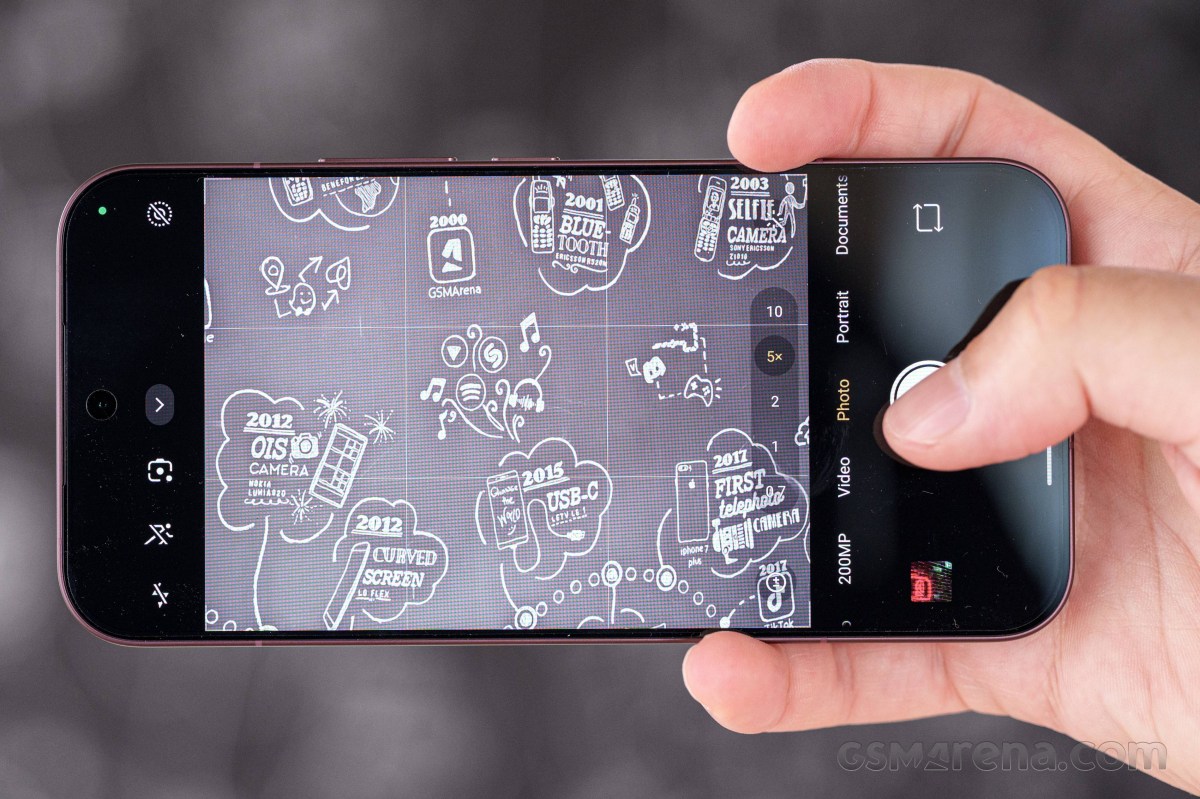
The headline camera spec is a 200MP main sensor with optical image stabilization, paired with a 5x periscope telephoto that reaches 10x lossless zoom and stretches to 20x with AI-assisted processing. Daylight shots from the main sensor are genuinely good, with fine detail that holds up to pixel-peeping, and the telephoto keeps its color accuracy even at the higher zoom ranges where most mid-range periscopes fall apart into mush.
But this is where the value proposition shows its seams. Reviewers consistently note that overall image quality is not as consistent as what you get from a true flagship, and the 32MP selfie camera undersells its own resolution with soft, unremarkable output. The 50MP ultra-wide on the Ultra is a real step up from the 8MP unit on the cheaper F9 Pro, so if camera versatility matters to you, the Ultra is the one to save up for rather than the one to skip.
The Screen Is the Real Flex
A 185Hz refresh rate paired with 10,000 nits of peak brightness is not a spec you see outside of true flagships, and it shows in daily use. Scrolling feels instant, HDR content pops even in direct sunlight, and gaming on that panel with POCO's 3D IceLoop cooling system underneath means frame rates stay consistent through long sessions without the phone turning into a hand warmer. Benchmarks back this up: AnTuTu 11.1.1 scored 4,165,108, and Geekbench 7 landed at 2,071 single-core and 8,896 multi-core, trailing the Galaxy S26 Ultra by roughly 1,000 and 1,500 points respectively but at a fraction of the price.
Software Is Where It Still Feels Like a Budget Flagship
HyperOS 3 on Android 16 is functional but requires an adjustment period if you are coming from stock Android or One UI, and Poco has been upfront that several promised features will arrive via future updates rather than being ready at launch. The saving grace is a commitment to four major OS updates, which is a meaningful promise for a phone in this price bracket and suggests Xiaomi wants F Series buyers to stop treating these as disposable phones.
The Bottom Line
At 999 euros in Europe and starting around 799 dollars for the base configuration, the Poco F9 Ultra is not trying to beat the Galaxy S26 Ultra on camera refinement or raw benchmark scores. It is trying to make you question why you would pay double for those last few percentage points when the battery life alone is nearly double what the competition offers. The best phone is the one you actually enjoy using, and a phone you are not constantly hunting for a charger for is a very easy one to enjoy.
Loading comments...