
Three Drivers, One Earcup
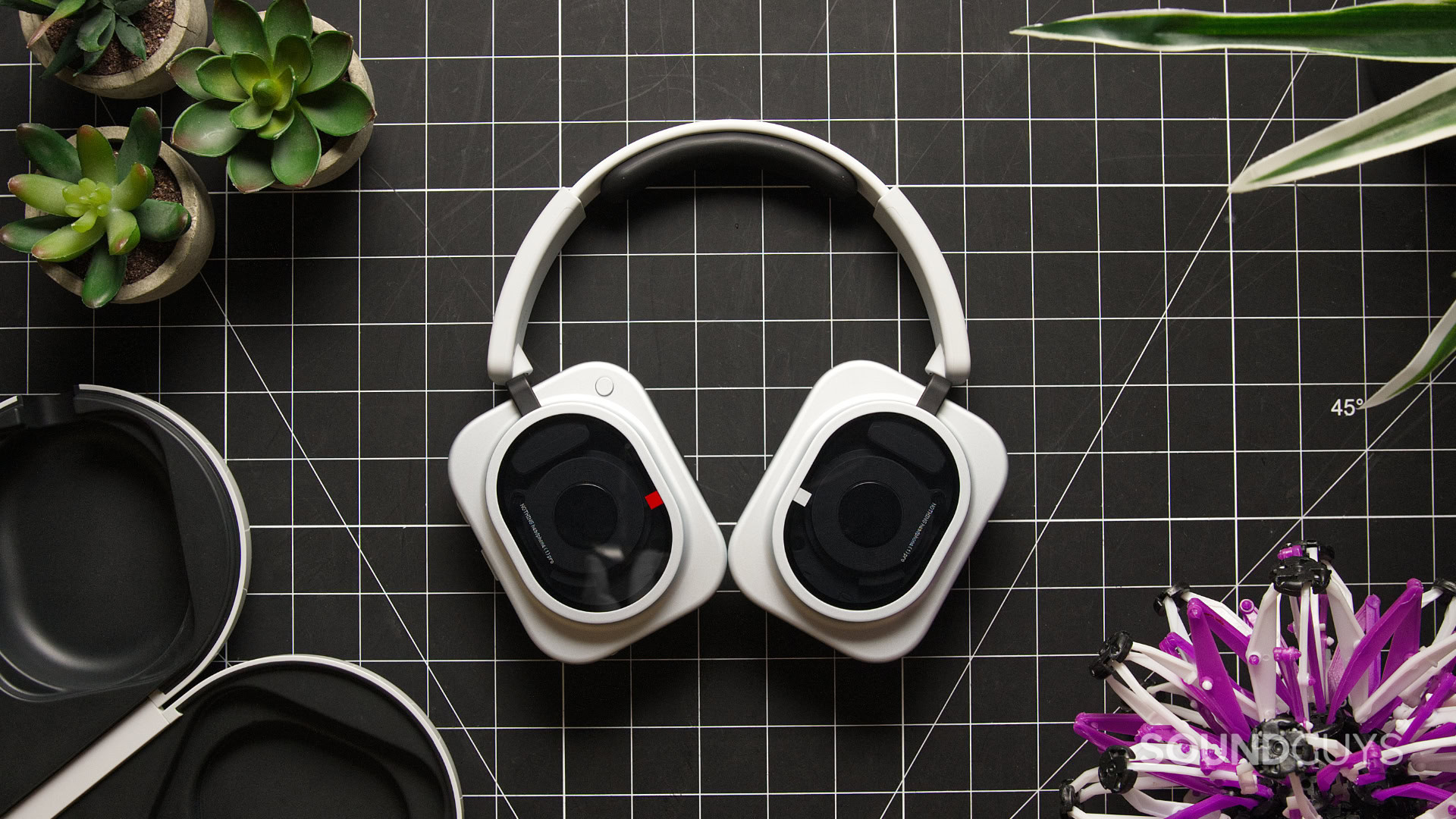
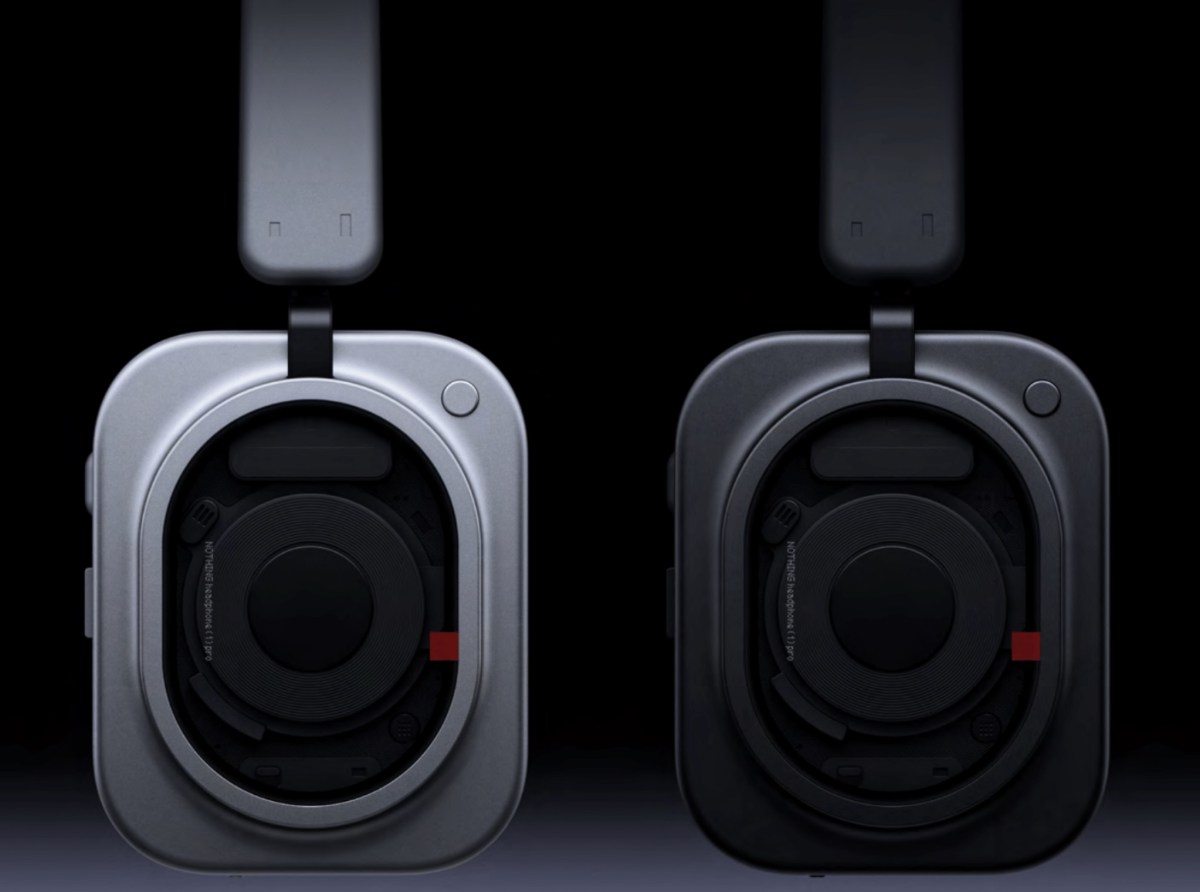
Nothing shipped the Headphone (1) Pro on September 28 at $399, and the spec sheet reads like something out of a custom in-ear monitor shop rather than a mainstream over-ear launch. Each earcup houses three separate transducers: a 40mm dynamic driver covering bass, a smaller 13x8mm dynamic driver handling midrange and vocal content, and a solid-state xMEMS driver taking over the top octave. Nothing quotes a combined response of 20Hz to 40kHz. That upper number is irrelevant to human hearing, but it tells you the xMEMS element is doing real work well past the point where a single dynamic driver typically starts to struggle.
Why Hand the Treble to Silicon
An xMEMS driver etches its moving element directly into a silicon wafer instead of winding a voice coil around a former and suspending it in a basket. There is no spider to age, no surround to fatigue, and the diaphragm behaves as a genuinely rigid piston with none of the breakup modes that creep into a 40mm dynamic driver once you push it past 8 to 10kHz. That is exactly the band where a single full-range driver gets messy: cymbal decay smears, sibilants pick up intermodulation distortion, and the frequency response chart starts showing the jagged peaks that measurement nerds complain about. Hand that register to a dedicated solid-state element and the big dynamic driver only has to do one job, moving air for bass and lower mids where its diaphragm area and excursion actually pay off. It is the same crossover logic that has kept three-way floorstanding speakers relevant for decades, shrunk down to fit behind a glass window in a pair of cans you wear on the train.
The ANC Numbers, With the Usual Caveat
Nothing claims 5dB stronger average attenuation than the original Headphone (1) and a 40% wider blocked frequency range, driven by a 10-microphone array and tighter cushion seals. Measured against the two reference points that matter, Sony's WH-1000XM6 and Bose's QuietComfort Ultra, the Pro's 30-hour ANC-on battery life lands right alongside the Sony and comfortably ahead of the Bose. Nothing does not publish independent third-party attenuation figures yet, so treat the 5dB claim as a manufacturer number until SoundGuys or Rtings runs it through a controlled chamber. ANC marketing dB figures have a long history of measuring under best-case conditions.
One Step Back to Take Two Forward
The honest tradeoff here is battery life. The original Headphone (1) was rated for 35 hours with ANC engaged. The Pro drops that to 30, despite a similarly sized 1,060mAh cell, which tracks with the extra driver and the always-on DSP work needed to manage a three-way crossover and a wider ANC band in real time. That is a reasonable trade if the driver array delivers what it promises, but it is worth noting Nothing did not get the added hardware for free.
Tuning and the Flat EQ Switch
Nothing worked with London's Metropolis Studios on the factory tuning, and the headline feature for the audio-literate crowd is a physical Flat EQ switch on the earcup that bypasses the house curve entirely. That matters more than it sounds. Most consumer headphones ship with a bass-boosted, treble-lifted curve baked into firmware with no way to get under it, which makes any downstream EQ app work from a skewed baseline rather than a neutral one. A hardware bypass to a genuinely flat response gives you an honest starting point before you touch the custom EQ tool or the five-profile spatial audio mode with head tracking.
Verdict, For Now
Three drivers per side at $399 is an aggressive bill of materials for this price bracket, and the xMEMS tweeter is the part worth watching rather than the ANC marketing copy. Solid-state drivers have proven themselves in high-end true wireless earbuds over the past two years; putting one in a mainstream over-ear design, paired with a hardware flat EQ switch, is the kind of engineering decision that suggests Nothing is chasing measurement credibility, not just a look. Whether the crossover between three drivers is implemented cleanly enough to avoid audible seams is the question an independent frequency response and distortion sweep will answer. Flat response is just the beginning.
Loading comments...