
Half the Orders, None of the Excuses
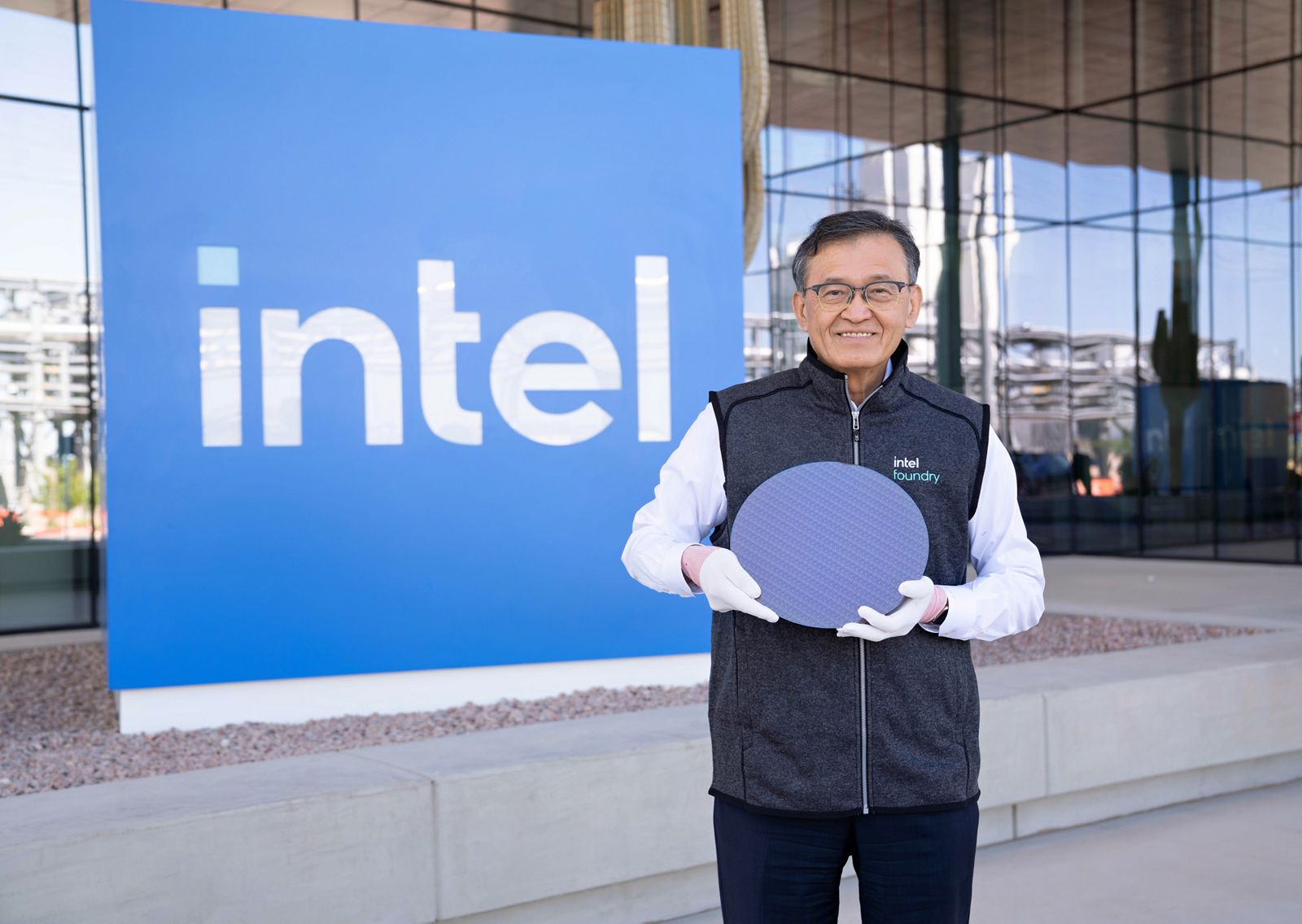
At Splunk's .conf26 broadcast on September 16, Intel CEO Lip-Bu Tan said something that should worry anyone shopping for a new desktop or laptop this quarter: Intel can currently fill only about 50 percent of customer CPU demand. Not 50 percent of a niche SKU, not 50 percent of one segment. Half of total orders, full stop. For a company that has spent two years trying to convince the market it has fixed its manufacturing problems, that is a remarkable admission, and it did not come from a leaker or a supply chain analyst. It came from the CEO, on the record.
Tan tied the shortfall directly to AI. Demand for inference capacity is scaling as agentic workloads move from pilot projects to production, and every wafer that goes into a Xeon destined for an inference cluster is a wafer that does not become a Core Ultra die. This is not a new dynamic, GPU makers have been playing this allocation game since the ChatGPT boom started, but it is new for x86 client CPUs to be caught in the same vice. Client silicon has always been the volume product that keeps fabs running at high utilization between server design wins. When the server side suddenly wants everything a fab can produce, the volume product is what gets starved first.
Memory Is the Canary, Not the Whole Story
Tan also said memory prices have already gone up five to sevenfold, with the possibility of further tightening. That number sounds extreme until you remember it likely reflects specific enterprise-grade and HBM-adjacent memory rather than blanket consumer DDR5 pricing, but the direction is the same everywhere: DRAM contract prices rose roughly 110 percent in Q1 alone by Counterpoint's count, and SSD pricing has climbed as much as 147 percent. Memory shortages get more headlines because the price swings are more violent and more visible on a spec sheet, but the CPU shortage is arguably the more structural problem. You can substitute memory tiers or accept a smaller SSD. You cannot substitute a CPU architecture mid-build.
Three Price Hikes in Twelve Months
The fab math is showing up in retail pricing on a predictable schedule. Intel raised PC CPU prices by roughly 10 percent in Q1 2026. In July, it followed up with hikes on specific refreshed desktop parts: the Core Ultra 7 270K Plus moved from its $299 launch price to as much as $349, and the Core Ultra 5 250K Plus went from $199 to $229. Multiple supply chain sources, first reported by DigiTimes and since corroborated across the trade press, now say Intel is planning a third increase of roughly 10 percent across its PC CPU stack effective October 5. Intel has not officially confirmed the October figure, and the report does not specify which desktop or mobile families are covered, but the pattern of quarter-over-quarter hikes since late 2025 is now well established regardless of the exact number attached to this round.
Why the Fab Can't Just Make More
The frustrating part, from a process engineering standpoint, is that this isn't a yield problem in the traditional sense. Intel says 18A is already in mass production and improving yield by roughly 7 percent a year, which is a perfectly healthy ramp curve for a leading edge node. The next node, 14A, is still on track for production start in Q1 2027. The bottleneck isn't defect density or wafer starts, it's capacity allocation and everything downstream of the wafer: substrate supply is described as critically tight with only four major suppliers globally, and power and cooling for the datacenter side are flagged as the next constraints in line. A modern CPU die is only as available as its substrate and packaging capacity, and right now that capacity is being bid away by the same AI buildout that's inflating memory prices.
What This Means If You're Buying
If you need a new machine before October 5, that is your practical window before list prices move again. If you can wait, waiting doesn't obviously help either, since this is the third hike in a year with no indication the underlying capacity math improves before 14A ramps in 2027. AMD has not announced matching increases, and a supply squeeze this specific to Intel's fab allocation is exactly the kind of gap that should show up in Ryzen desktop share over the next two quarters if AMD's own memory and substrate sourcing holds up better. Every nanometer counts, but right now the constraint isn't nanometers. It's how many of those nanometers Intel is willing to sell you instead of putting them in a rack.
Loading comments...