
A Smaller Chassis With a Specific Cooling Target
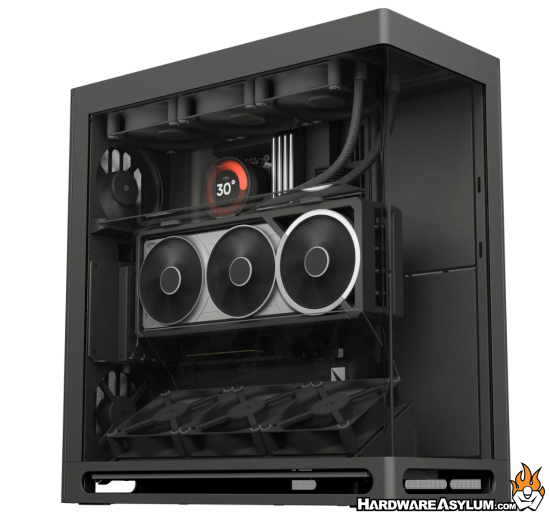
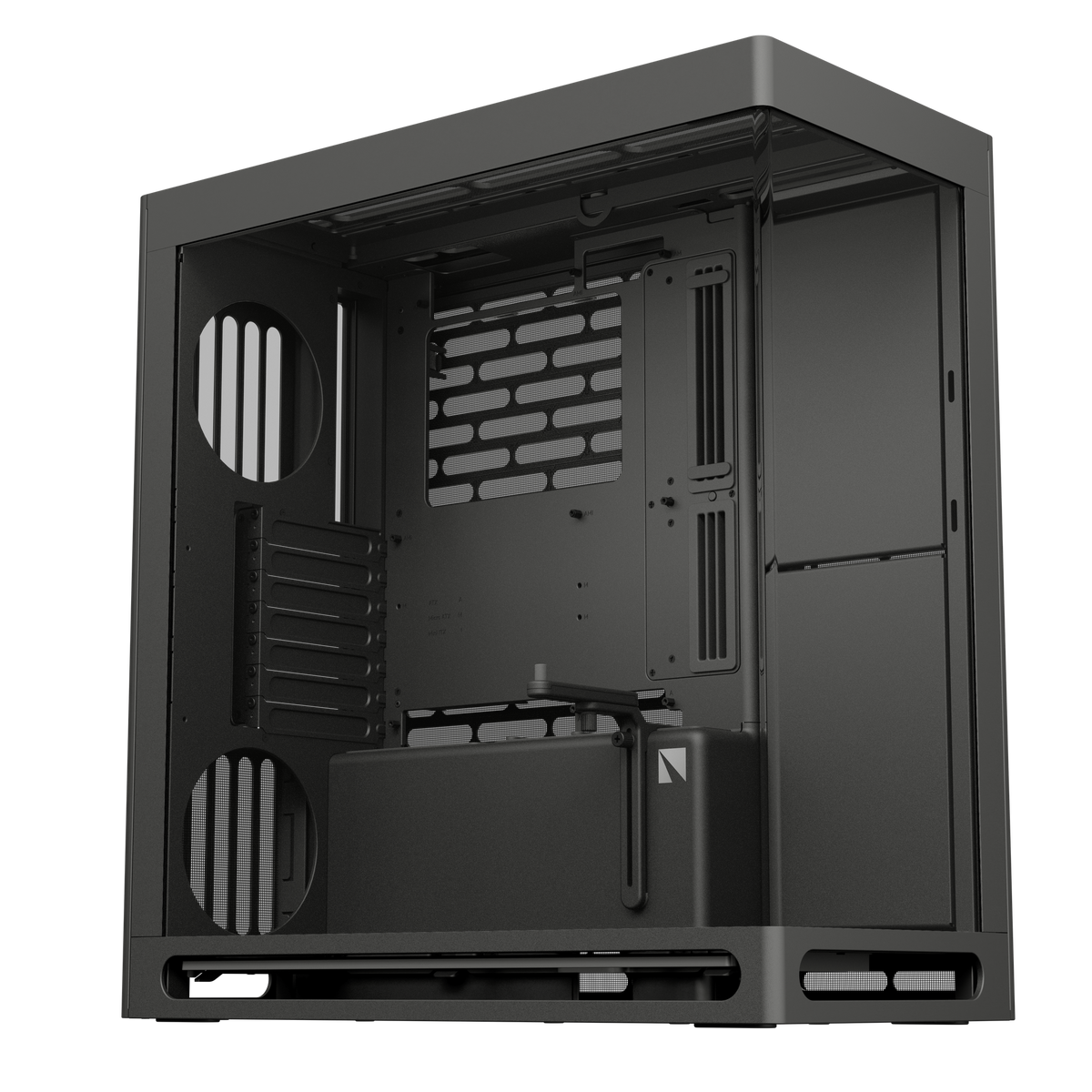
HAVN launched the HS 360 on October 29, bringing its panoramic case design into a smaller enclosure with back-connect motherboard support. The interesting change is in the VGPU model: an angled bottom intake works with a magnetic divider intended to keep heated GPU exhaust from returning to the card's intake. [OC3D's launch report](https://overclock3d.net/news/cases_cooling/havn-stuns-with-its-new-hs-360-pc-case/) describes that revised airflow path. This is the detail I want case manufacturers to explain: where fresh air goes after it enters the enclosure.
The $80 Difference Buys More Than a Bracket
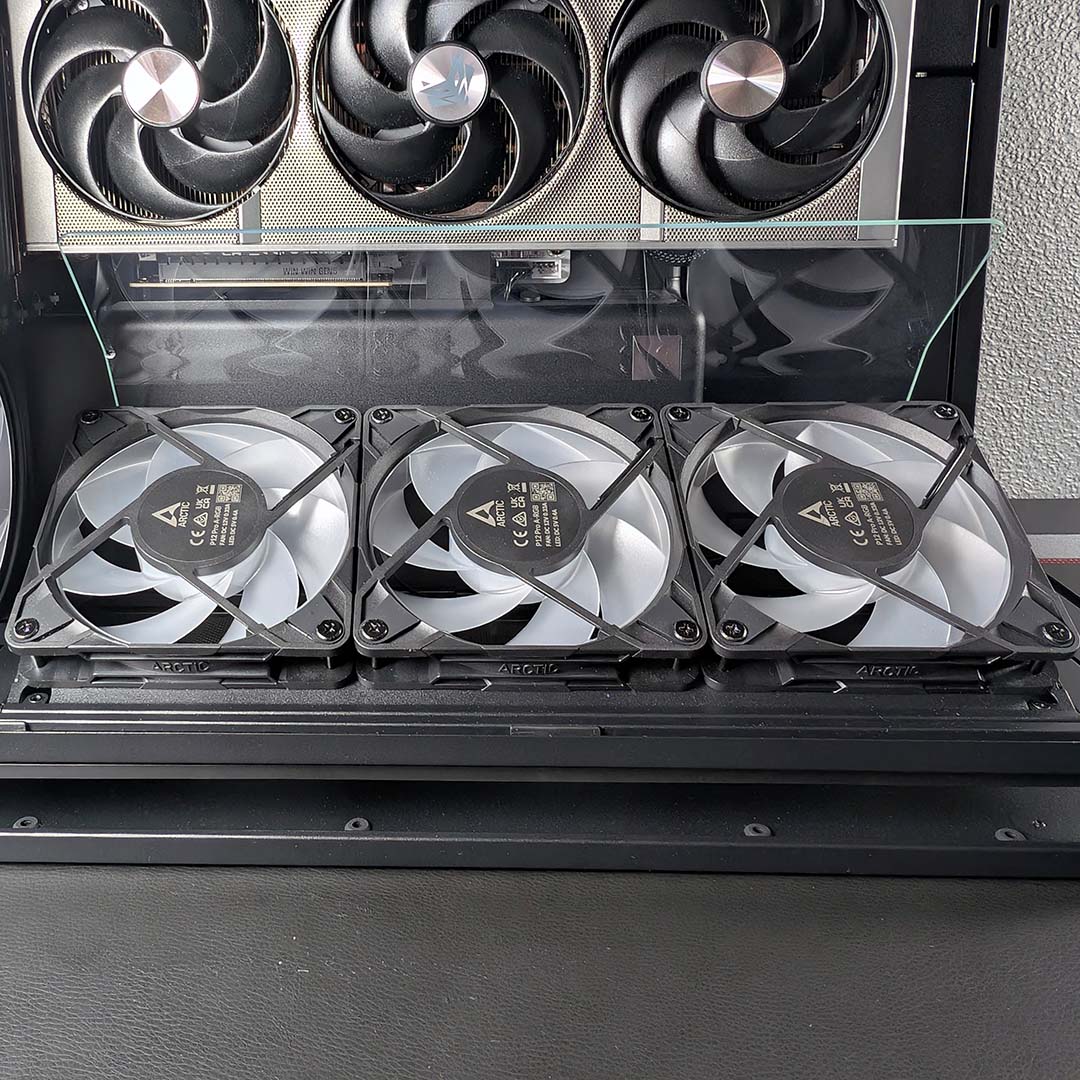
HAVN lists the [standard HS 360](https://havn.global/products/hs-360) at $199.99 and the [HS 360 VGPU](https://havn.global/products/hs-360-vgpu) at $279.99. The latter includes an adjustable vertical GPU bracket and PCIe 5.0 x16 riser alongside the divider. The price chart uses those manufacturer listings, before tax. Whether that $80 premium makes sense depends on your card and the mounting arrangement you actually want.
The divider's engineering rationale is sound: separating incoming air from heated exhaust can reduce recirculation. Its benefit will depend on the graphics card's cooler geometry and the surrounding pressure field. HAVN claims improved GPU temperatures, but its product page does not provide enough test detail to assign a temperature reduction here. A duct is useful only when it guides air through the hardware that needs cooling.
Vertical Mounting Changes the Fit Calculation
The vertical configuration reduces published GPU length clearance from 453 mm to 433 mm. HAVN also specifies a combined RAM-height and GPU-thickness limit of 123 mm for the VGPU model. Check both dimensions before ordering. An adjustable bracket gives builders room to tune placement, but it cannot make an oversized assembly fit. The clearance chart compares manufacturer limits, rather than measured thermal performance.
Fan Capacity Needs Electrical Planning
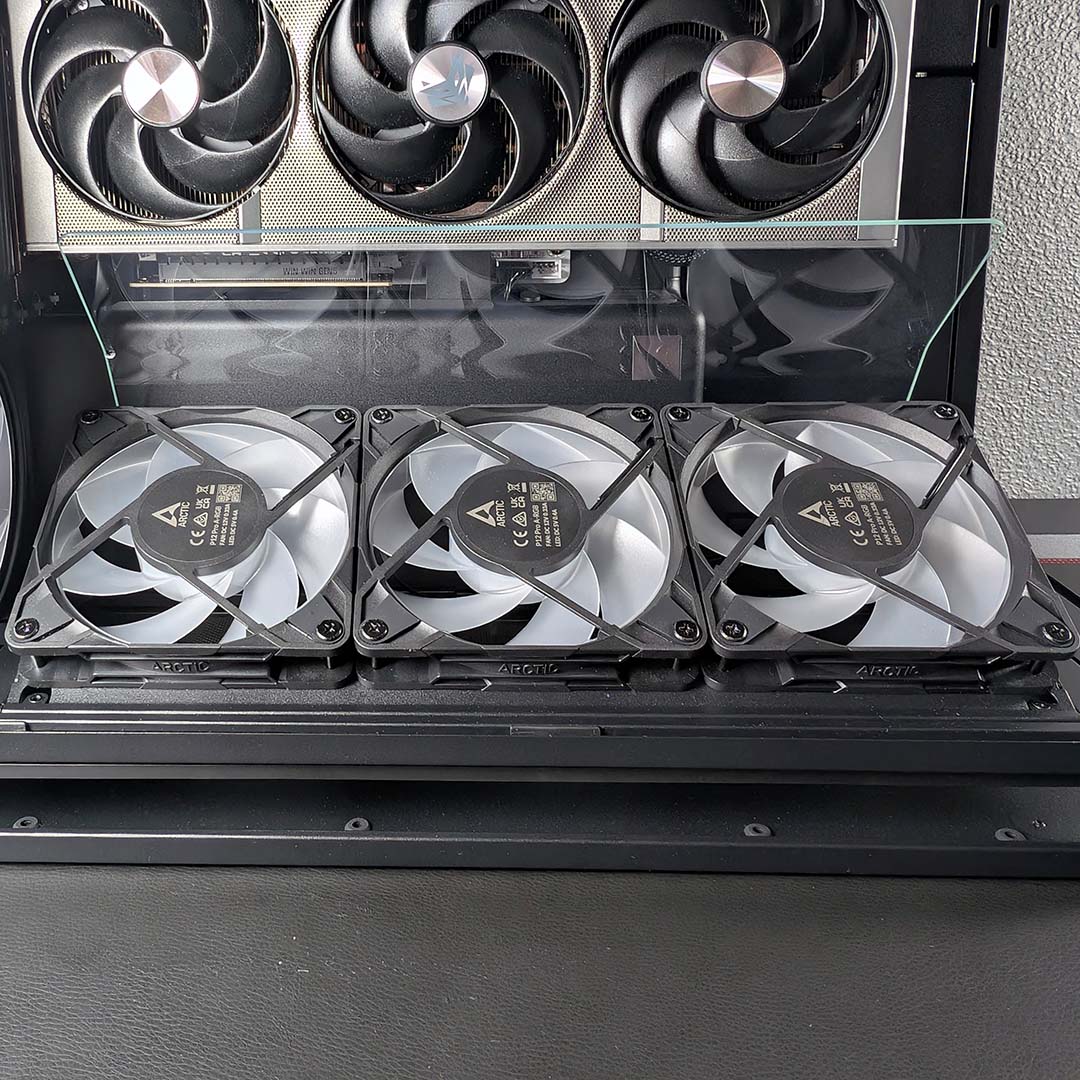
Both versions list mounting positions for eleven 120 mm fans, while the supplied PWM repeater has eight ports and a combined 3.3 A limit. Those are separate constraints. Builders filling every position need additional connections, and must check total fan current against the controller rating. Cable management should preserve the intended intake route, particularly around the bottom fans.
Noise Must Be Part of the Verdict
My assessment is that the VGPU model deserves attention for addressing exhaust recirculation directly. A convincing thermal comparison should hold acoustic output constant and document GPU placement, because increasing fan speed can conceal a restrictive layout. Until those conditions are established, the specifications support a fit and price comparison, not a claim of quieter cooling. Airflow is not optional, it's physics.
Loading comments...