
A Third Off the Latency, on Paper
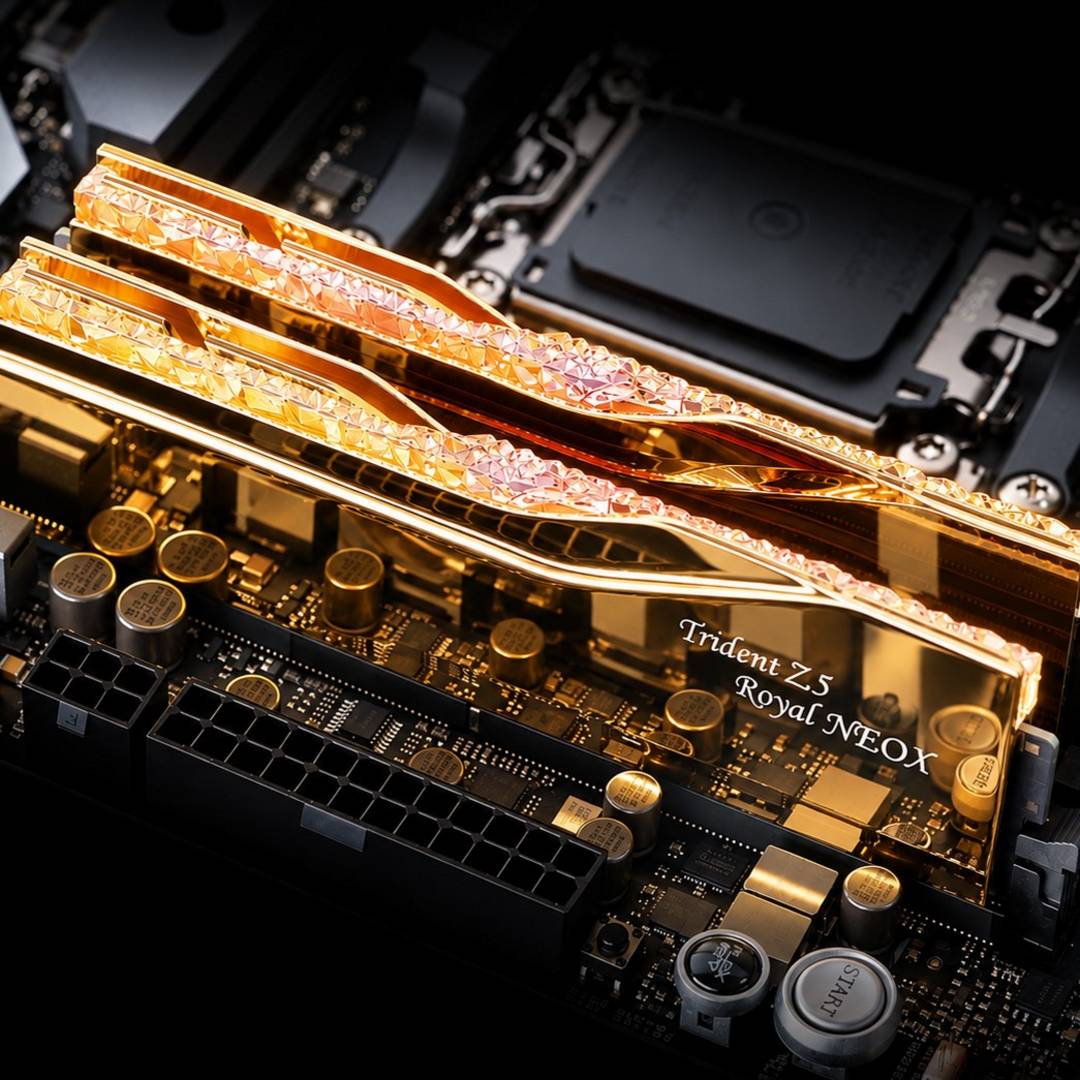
G.Skill announced the Trident Z5 Royal NeoX on September 9, 2026: a DDR5-6000 kit running AMD's new EXPO ULL (Ultra Low Latency) profile down to CL26. That is not a frequency bump, it is a timings bump. The press release is light on sub-timing tables and completely silent on capacities, voltage and price, which is typical for a G.Skill teaser, but the headline number is real and it is aggressive. Mainstream EXPO kits at this speed ship at CL36. G.Skill's own outgoing flagship, the Trident Z5 Royal Neo, tops out at CL28 for DDR5-6000 and has been selling in the $130 to $165 range for a 32GB (2x16GB) kit depending on the week. CL26 undercuts even that.
The Latency Math, Because Marketing Slides Never Show It
CAS latency alone tells you nothing until you convert it to actual nanoseconds, because a tighter CL at a lower frequency can still be slower in real time than a looser CL at a higher one. The formula is straightforward: latency in nanoseconds equals CAS latency times 2000, divided by the data rate in MT/s. Run the numbers for DDR5-6000 across the three tiers and the picture gets clearer. A mainstream CL36 EXPO kit resolves its first word in 12.0ns. The outgoing CL28 flagship gets there in 9.33ns. The new EXPO ULL CL26 kit gets there in 8.67ns. That is a real, if modest, step down from the previous flagship, and a genuinely large one compared to what most people are actually running in their rigs today.
Why a Storage Guy Is Writing About Gaming RAM
I don't build gaming rigs for a living, I build arrays, but memory controllers are memory controllers and I've bricked enough overclocked kits to have opinions. EXPO and XMP profiles work by pushing the memory controller and the DIMMs outside their JEDEC-rated operating envelope. CL26 at DDR5-6000 on a consumer IMC is not free lunch, it is the module and the silicon lottery both being pushed hard enough that G.Skill needs a whole new profile name to sell it. That is fine for a gaming build where a failed boot means you reset CMOS and try again. It is not fine for anything holding data you care about.
The Elephant in the Room: No ECC, No Mercy
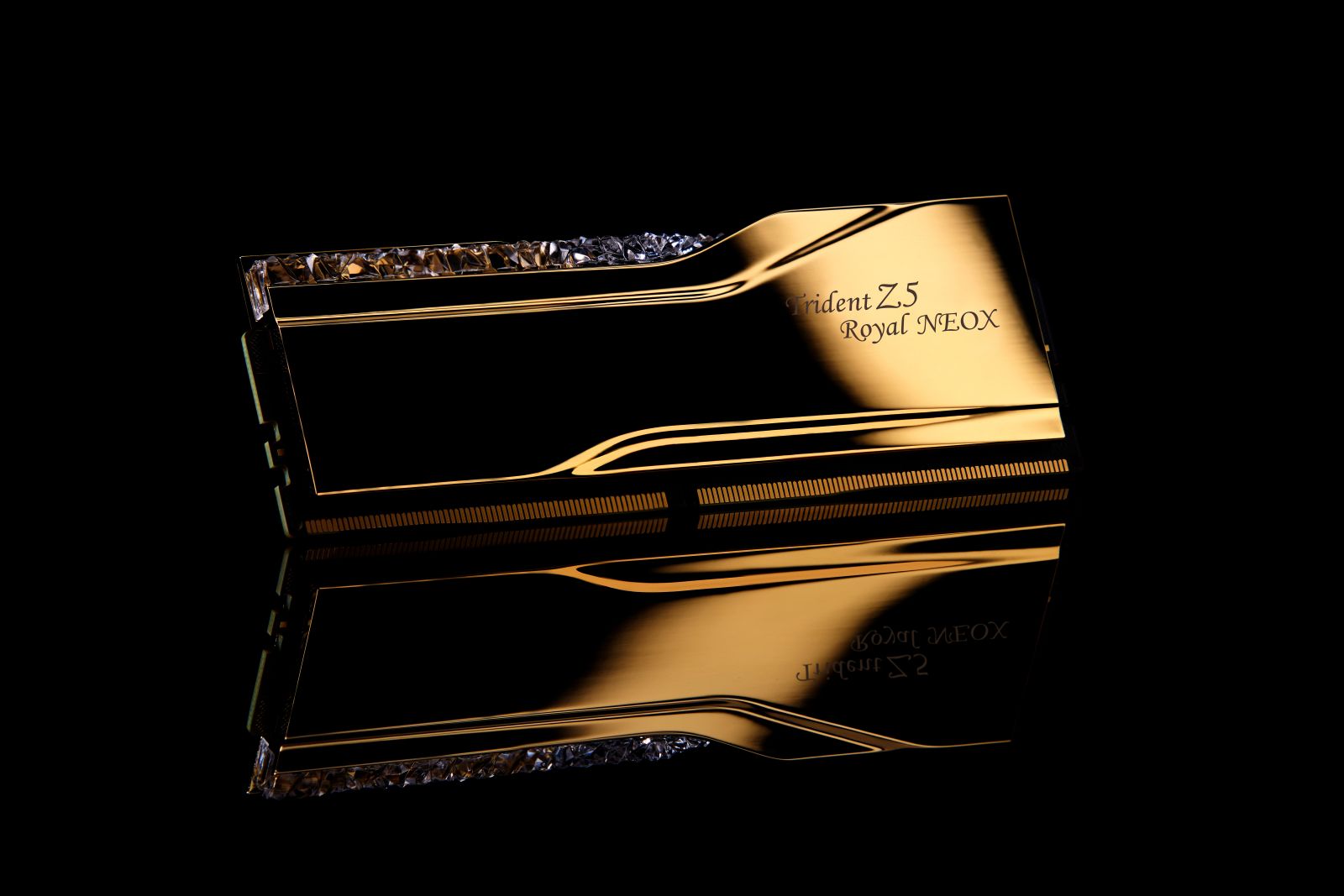
Here is the part that matters more than the CAS number. Trident Z5 Royal NeoX, like every RGB EXPO kit G.Skill sells, is unbuffered and has no error correction. Overclocked non-ECC DDR5 pushed to its latency limit is exactly the kind of memory that produces silent bit flips under sustained load, the ones that don't crash your system, they just quietly corrupt a byte in a file you won't notice is wrong until you need it. That's a rounding error in a game. In a ZFS pool, a database, or a photo archive you're not re-shooting, it is how bitrot gets into your backups undetected and propagates to every copy you have. If you're building a NAS or a server, spend the money on registered ECC DIMMs rated for your platform, not a CL26 gaming kit with a light bar. And regardless of what memory you run: no RAID is a substitute for backups. ECC catches flipped bits in transit, it does not protect you from a dead drive, a fire, or a fat-fingered `rm -rf`.
What's Still Missing
G.Skill hasn't published capacities, voltage, or pricing for the NeoX line, and the company says availability will roll out "in phases" worldwide rather than all at once. Given the CL28 Royal Neo kits it replaces launched around $150 for 32GB, expect the NeoX premium to land somewhere north of that once retailers get SKUs live. For gamers chasing frame-time consistency on Ryzen, it is a legitimate upgrade path. For anyone else, it is a reminder that the RAM in your gaming PC and the RAM that should go in anything storing data you can't afford to lose are, and should stay, two completely different shopping lists.
Loading comments...