
The Aircove Experiment Is Over
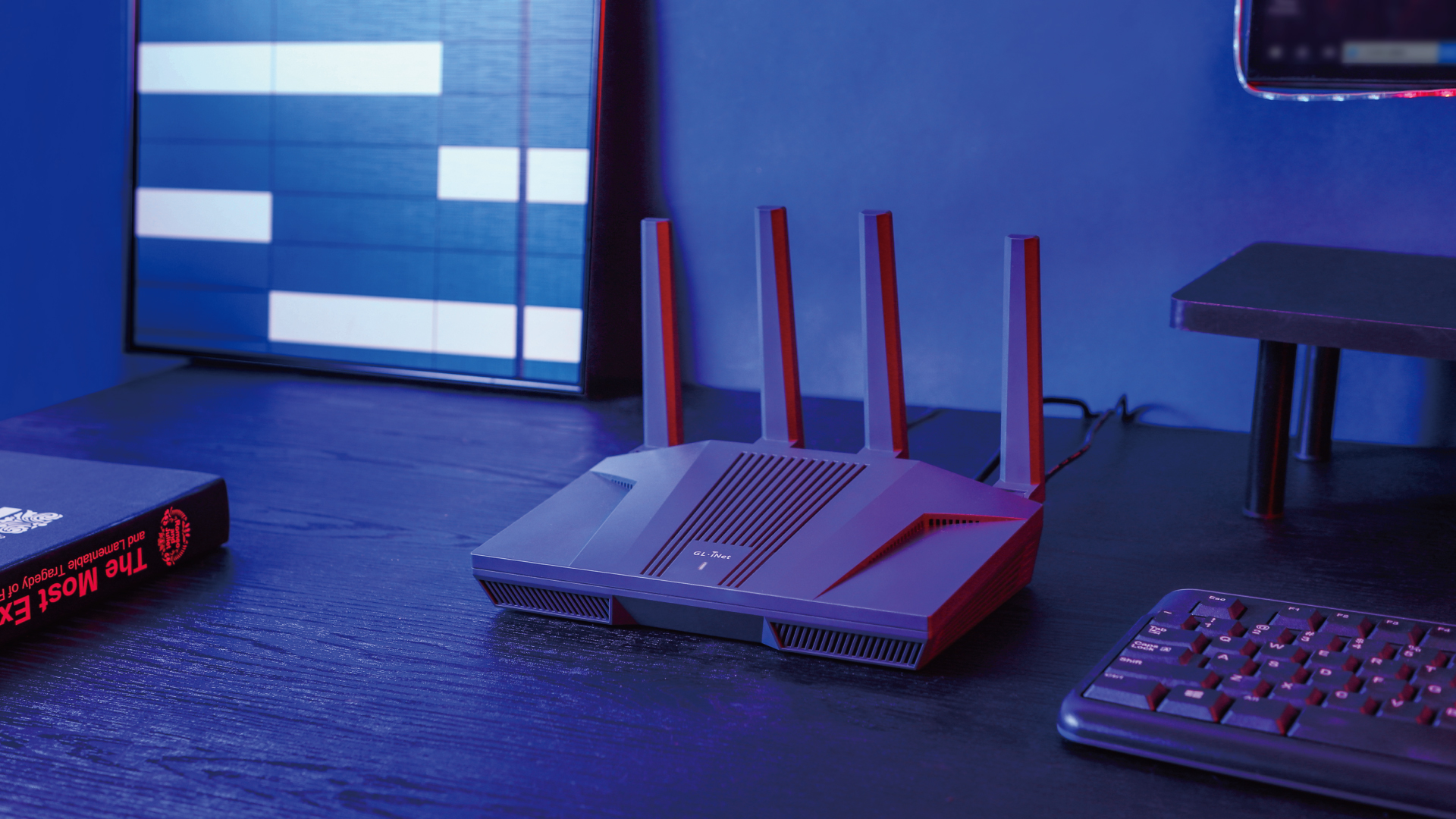
ExpressVPN just admitted something a lot of us in the self-hosting crowd figured out three years ago: building your own router hardware from scratch is a bad use of a VPN company's engineering budget. Aircove and Aircove Go are being pulled from production immediately, and in their place is Fortify, a router ExpressVPN didn't design. GL.iNet did.
Fortify is a rebadged GL-MT6000, which is the guts of GL.iNet's existing Flint 2, wrapped in ExpressVPN branding with the VPN client preconfigured and twelve months of the Advanced plan included at the $199.99 price. Existing Aircove owners keep support through 2027, Aircove Go owners through 2028, and get a discount code toward the new hardware. That's a reasonable transition plan. It's also a quiet concession that Aircove's custom silicon never caught up to what merchant router platforms were already shipping.
The Spec Sheet Tells the Real Story
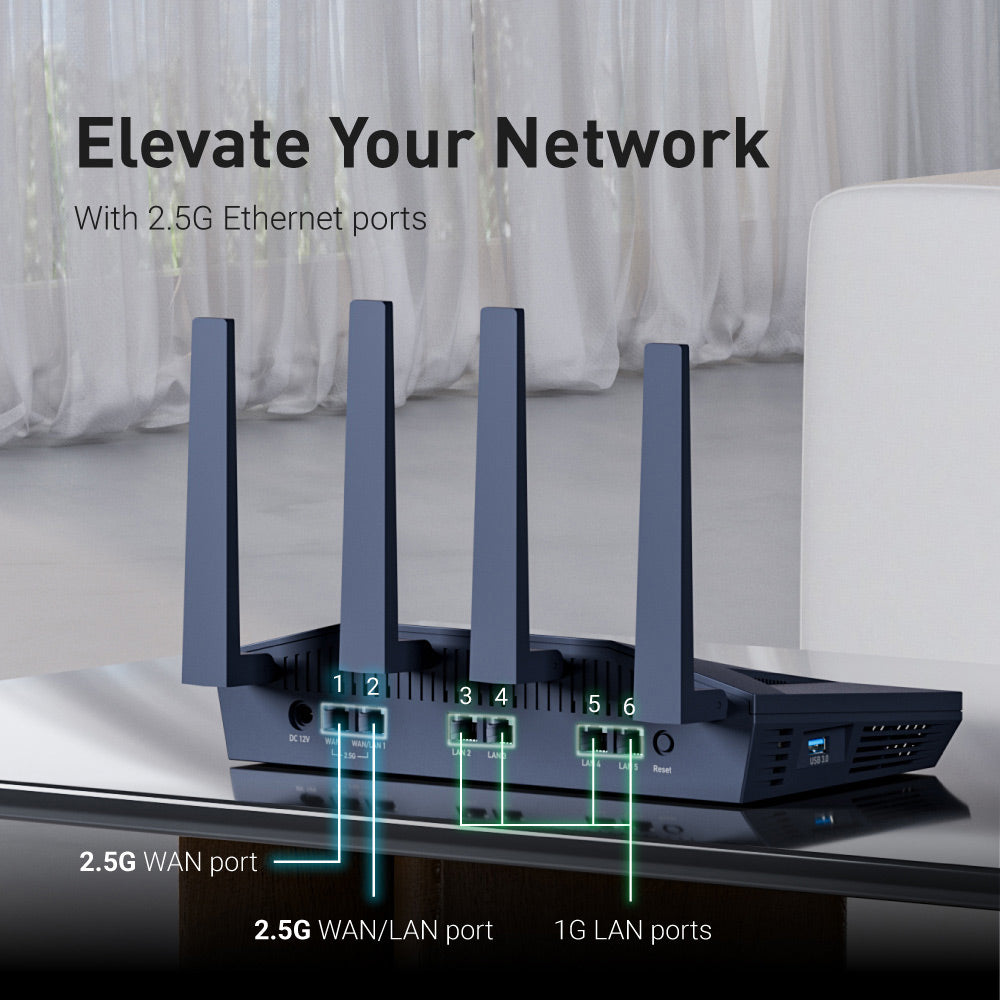
Aircove topped out at AX1800 Wi-Fi with 2x2 MU-MIMO and a claimed 330 Mbps ceiling on WireGuard. Fortify jumps to AX6000 with 4x4 MU-MIMO, a quad-core 2.0GHz chip, 1GB of DDR4, 8GB of eMMC, two 2.5GbE ports, and four gigabit ports. ExpressVPN's own numbers put WireGuard throughput at up to 900 Mbps under controlled conditions. That's a 2.7x jump on paper, and it's the difference between a router that chokes the moment you add a NAS to the network and one that can actually keep up with a gigabit-plus WAN connection while tunneling everything through VPN.
None of this is new engineering from ExpressVPN. It's GL.iNet's platform, which already runs OpenWrt, already supports Tailscale and ZeroTier and AdGuard Home, and already has a large community building on top of it because the firmware isn't locked down. ExpressVPN's contribution here is a preloaded VPN client and a support contract, not a chipset.
Bundled VPN on Your Router Is Still a Compromise
I'll say the quiet part: routing every device in your house through a single commercial VPN provider by default is not the same thing as controlling your own network. It's convenient, it protects you from your ISP snooping on unencrypted traffic, and for a lot of households that's genuinely enough. But it also means your traffic patterns, your DNS queries unless you've pointed AdGuard Home elsewhere, and your uptime all depend on ExpressVPN's server fleet staying fast and staying trustworthy. If it's not on your own hardware, it's not really yours, and a subscription service routed through your gateway is still someone else's infrastructure sitting between you and the internet.
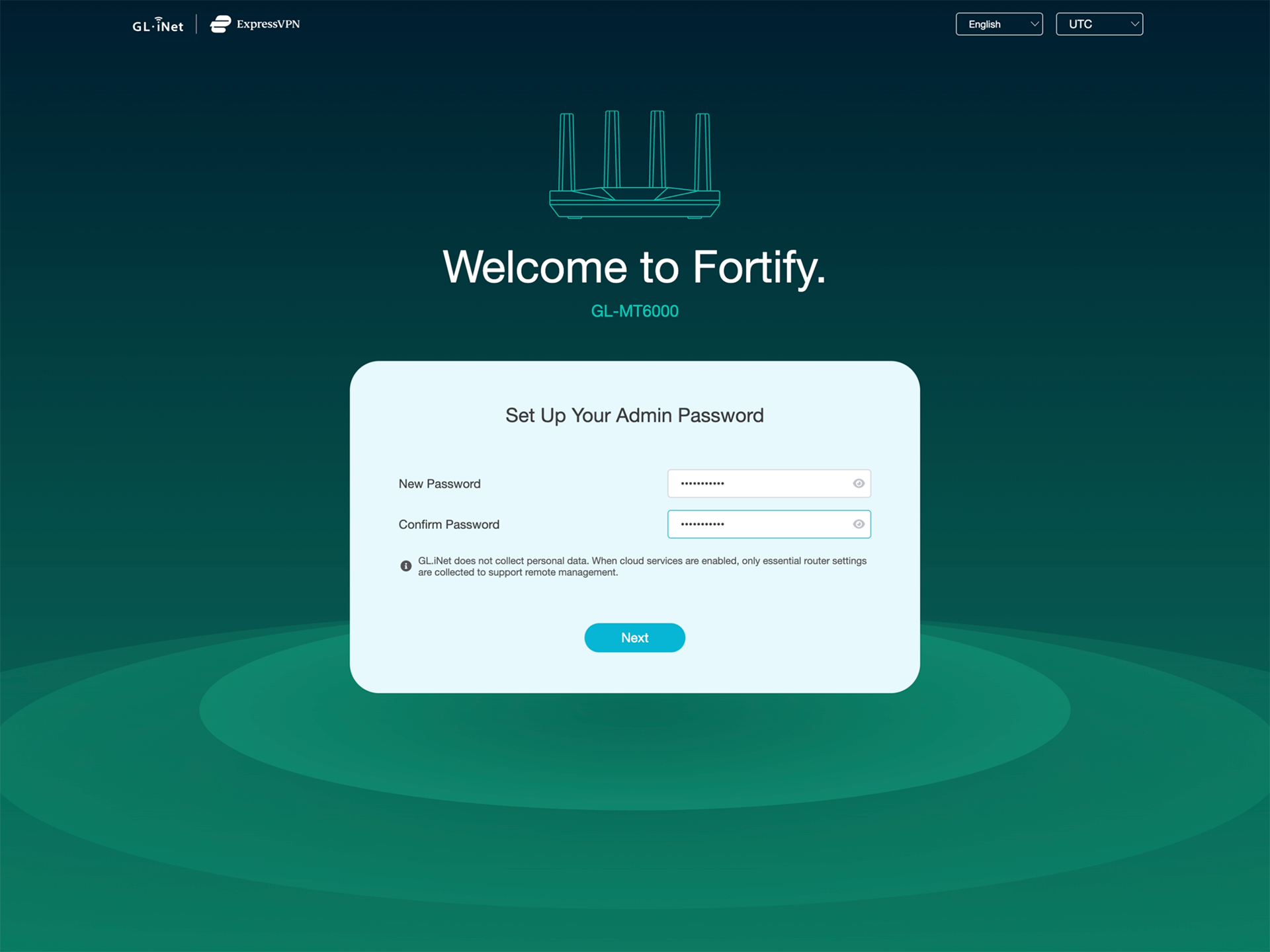
The redeeming part is that GL.iNet's firmware doesn't force you into that model. The GL-MT6000 supports WireGuard and OpenVPN client and server configurations independent of ExpressVPN, meaning nothing stops a Fortify owner from ignoring the bundled subscription entirely and pointing the router at a self-hosted WireGuard endpoint on a VPS or a home server instead. The hardware upgrade over Aircove is worth having regardless of which VPN, if any, ends up running on it.
What This Means for the VPN Router Market
This is the second major consumer VPN brand to abandon custom router silicon in favor of white-labeling an existing platform, and it won't be the last. Building and certifying networking hardware is expensive, slow, and a distraction from the actual product, which is the VPN service and the client software. GL.iNet, meanwhile, gets a distribution deal with a recognizable consumer brand without having to build a retail marketing operation of its own.
For buyers, the practical upshot is that Fortify is a genuinely competent piece of hardware wearing a VPN company's paint job, sold at a price that undercuts buying a Flint 2 and a standalone ExpressVPN subscription separately. Whether that's worth it depends entirely on whether you want ExpressVPN's server network specifically, or whether you'd rather flash the same silicon with your own WireGuard config and skip the subscription after the included year runs out.
Loading comments...