
The Multiple Nobody Wanted to See
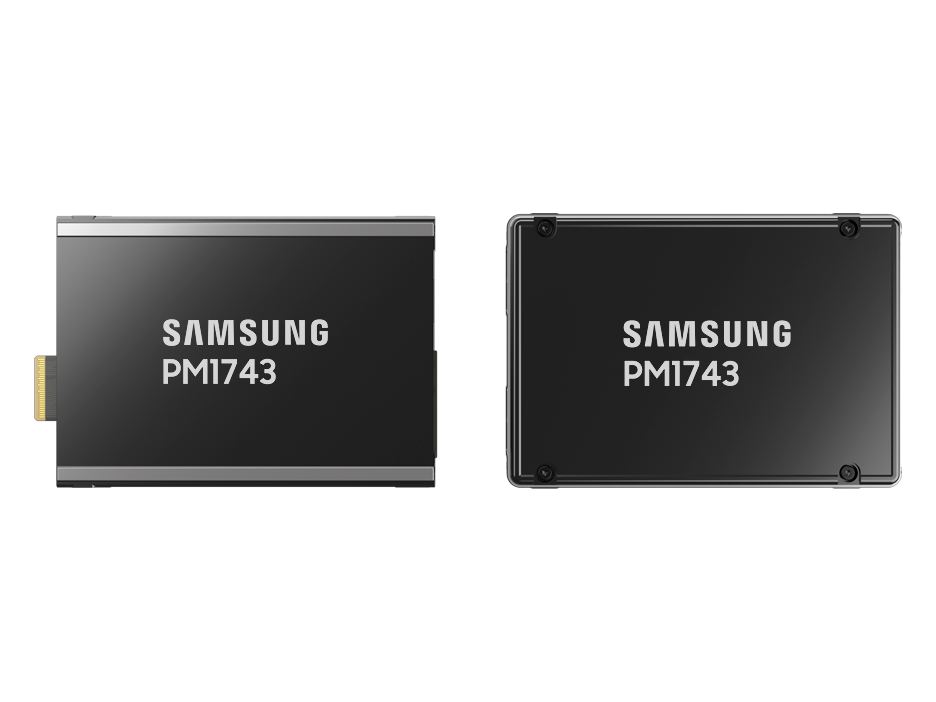
I've been tracking $/TB on enterprise drives for longer than I'd like to admit, and the August update to VDURA's Flash Volatility Index is the ugliest chart I've seen out of this cycle. A 30TB TLC enterprise SSD now runs $22,600. A year ago, in Q3 2025, that same class of drive was $3,460. That's a 6.5x increase in twelve months, and it isn't a one-off SKU getting gouged, QLC enterprise SSDs did the same thing, jumping from $2,768 to $18,080 over the same period.
Hard drives moved too, just not nearly as fast. A 30TB nearline HDD went from $495 to $1,216, up 2.46x. Put the two together and you get the number in the headline: flash now costs 18.6 times as much as spinning disk per terabyte. That's actually down from a 23.2x peak in Q1 2026, but it's still nearly triple the 7.0x multiple from a year ago. If you were hoping this was a temporary spike that would correct back toward historical norms, the data says otherwise. It corrected from insane to merely very bad.
Why NAND Lost the Allocation War
This isn't a controller shortage or a fab accident. It's AI infrastructure eating the entire NAND supply chain from the top down. TLC and QLC 3D NAND wafer capacity that used to go into consumer and enterprise SSDs is being redirected to hyperscale storage tiers feeding GPU clusters, and fab operators are pricing accordingly. When a wafer can go into a drive an AI company will buy at any price, or a drive a NAS builder wants at last year's price, the wafer goes to the AI company. Every single time. The same dynamic that has already doubled consumer NAND prices since 2025 is just far more severe at the enterprise tier, where TLC endurance and QLC density both carry a premium that AI storage buyers are willing to pay without blinking.
Hard Drives Aren't the Escape Hatch Either
Here's the part that should worry anyone building storage capacity right now: hard drives are not a working pressure valve. Seagate and Western Digital have both told investors their nearline HDD output is sold out through 2027. Western Digital's CEO said back in February the company was already sold out for all of 2026, with firm purchase orders from its top seven customers, and agreements with three of its top five customers running into 2027 and 2028. If you don't have a long-term supply contract, you're buying on the spot market, and spot pricing is running 30 to 40 percent over contract rates. The bottleneck isn't NAND wafers this time, it's platter and motor manufacturing capacity that takes years to expand, and every enterprise buyer who got priced out of flash just piled onto the same disk queue.
What This Does to an Actual Storage Build
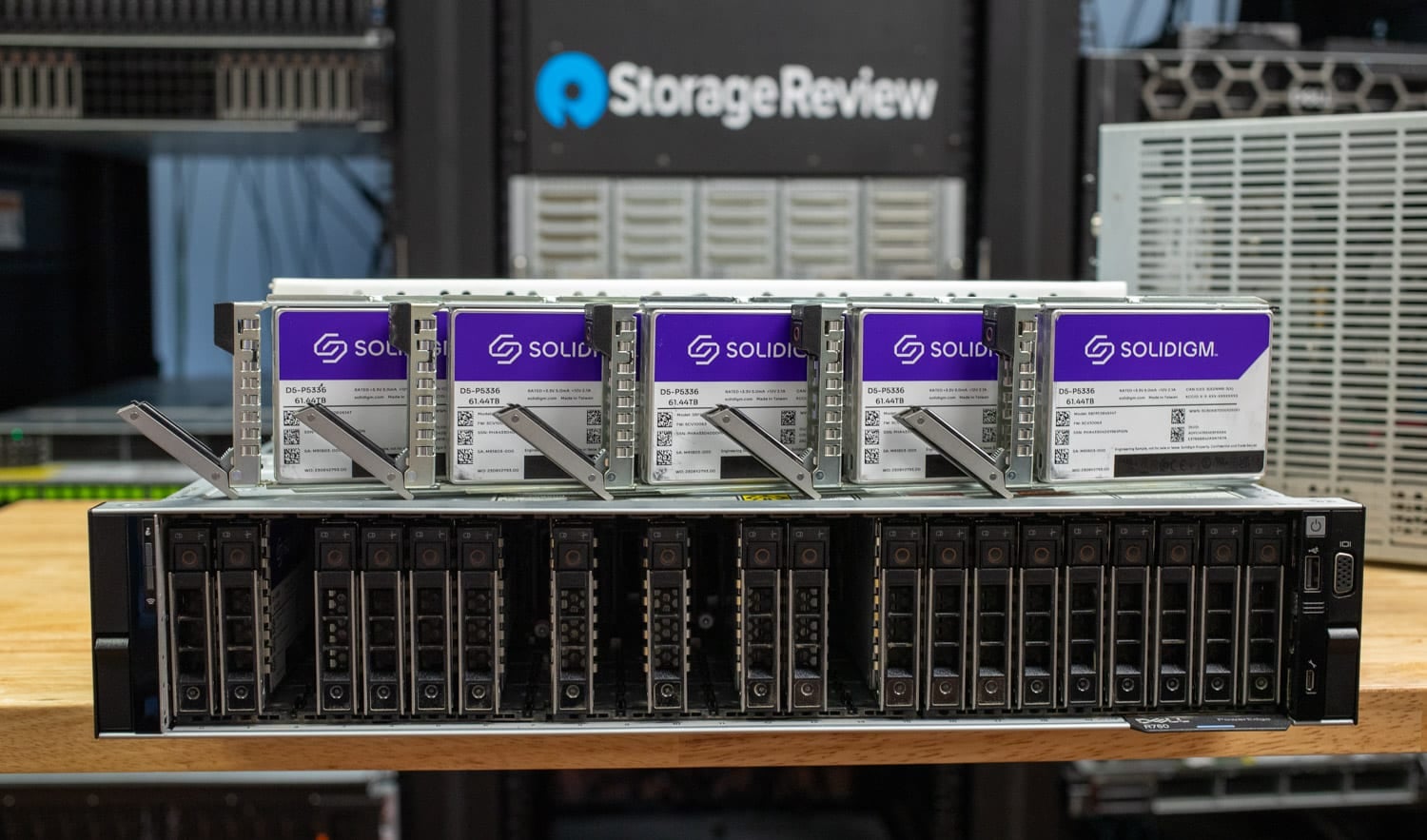
VDURA ran the math on a 25PB storage system, the kind of scale you'd see in a mid-size AI training cluster or a serious archival operation. All-flash comes out to $51.6 million. A hybrid SSD-plus-HDD design, using flash for hot tiers and disk for the bulk capacity, comes to $12.86 million. That's a 4x difference for the same usable capacity, and it's why hybrid architectures that looked old-fashioned two years ago are suddenly the financially sane choice again. Anyone still speccing all-flash for cold or warm data at this point is paying a premium that has nothing to do with performance requirements and everything to do with not wanting to manage two tiers.
What It Means If You're Not Buying at Datacenter Scale
Most of us aren't provisioning 25PB clusters, but the pricing pressure flows downhill. Enterprise SSD scarcity pulls NAND allocation away from consumer drives too, which is part of why 2TB NVMe pricing has been climbing all year. If you're planning a NAS refresh or an archive expansion, this is not the year to assume prices will soften by Q4. Buy the capacity you need when you need it, don't wait for a correction that VDURA's own trendline says isn't coming soon, and don't let flash pricing push you into cutting corners on redundancy to save money. A cheaper single drive is not a backup strategy. No RAID is a substitute for backups, and that's true whether your array is QLC flash at $600/TB or the spinning rust you can't get delivered until 2027 anyway.
Loading comments...