
The Curve Is Bending, Not Breaking
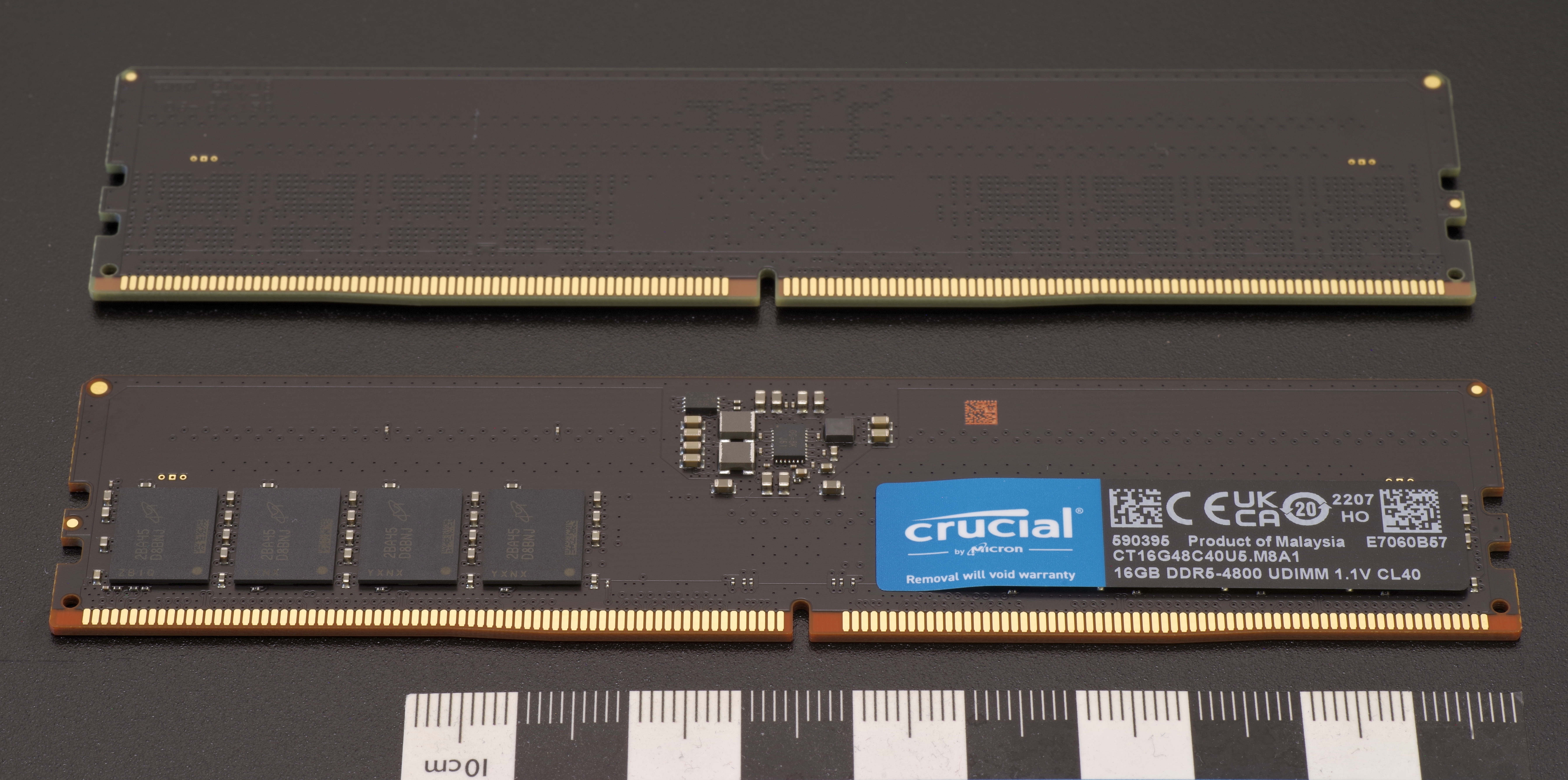
I've been staring at TrendForce's quarterly memory pricing survey for a few days now trying to decide whether the numbers in it count as good news. Conventional DRAM contract prices are projected to rise 13% to 18% quarter over quarter in Q3 2026. NAND Flash contract prices are projected to rise 10% to 15%. Compare that to Q2 2026, when both categories jumped by roughly 60% in a single quarter, and yes, on paper this looks like relief.
It is not relief. Read the actual reason for the slowdown and the picture gets uglier: prices are decelerating because consumer electronics manufacturers can no longer absorb further increases, not because Samsung, SK Hynix, or Micron found spare fab capacity. Supply is exactly as constrained as it was last quarter. Demand from PC OEMs and phone vendors just hit a wall first.
A Market Splitting in Two
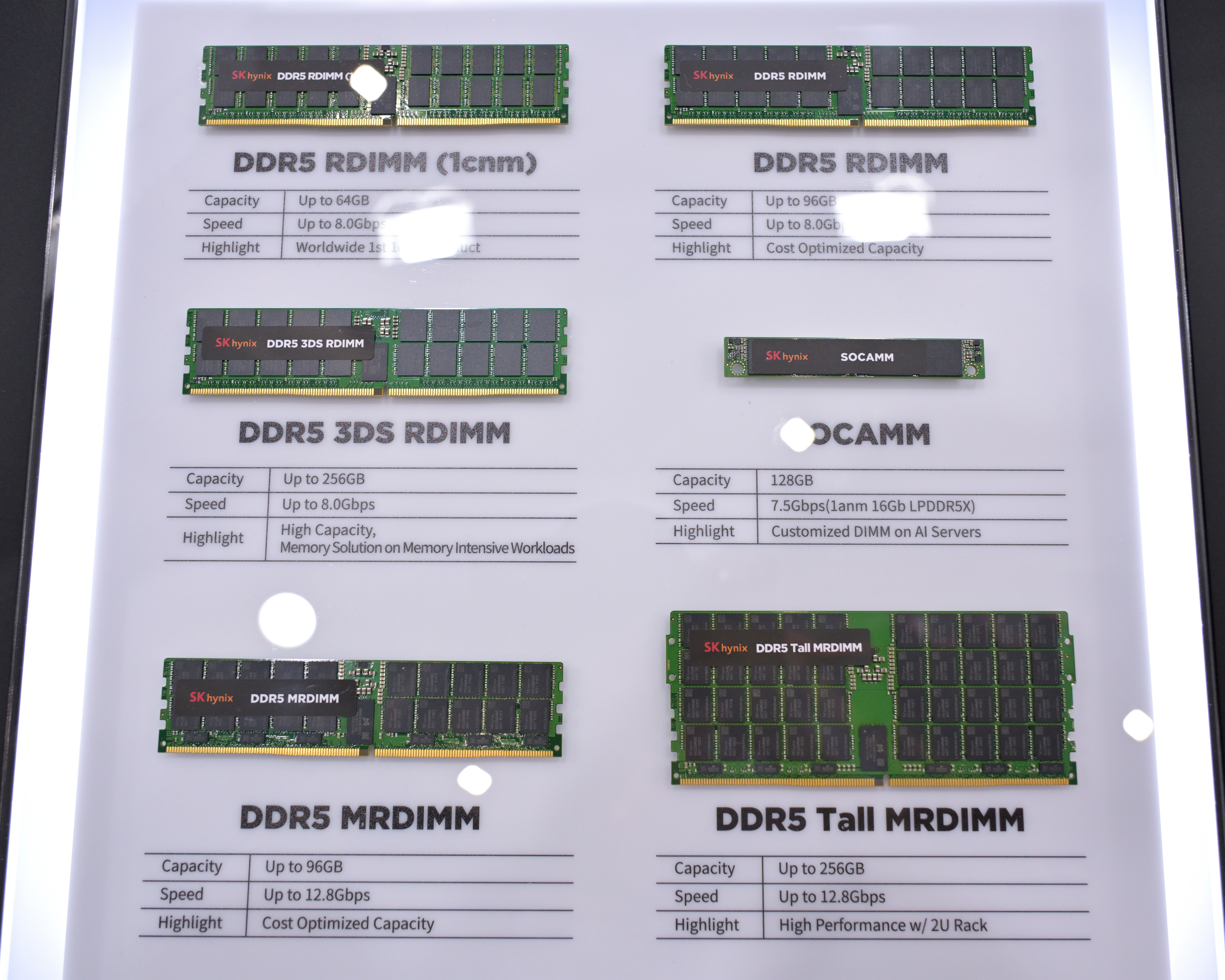
What's actually happening is bifurcation. Server-side demand remains untouched by any of this, propped up by continued AI infrastructure buildout and, notably, improved CPU availability freeing up more server builds that each want their own DRAM allocation. That segment keeps buying at whatever price memory makers set.
On the consumer side, PC notebook manufacturers are still replenishing inventory, but they're doing it while eating retail pricing pressure they can't fully pass on. Smartphone vendors are handling it differently: they're raising handset prices outright to offset persistently high LPDRAM costs, since a phone's DRAM package isn't something you can quietly downgrade the way a system integrator might swap a RAM kit SKU. Meanwhile storage products like USB flash drives and memory cards, low-margin, price-sensitive categories with no AI angle to justify a premium, are sitting sluggish because nobody's willing to pay up for them.
That's the split: wherever a buyer has no alternative (an AI cluster operator, a phone vendor locked into a BOM) prices keep climbing. Wherever a buyer has any flexibility to wait, delay, or absorb the margin hit themselves, demand is cratering.
Why This Matters Beyond Your Next RAM Kit
I run storage, not gaming rigs, so my read on this is slightly different from the usual "32GB kit now costs $400" framing. DRAM shortages don't stop at system memory. Most enterprise and prosumer NVMe drives carry an onboard DRAM cache for the flash translation layer, and NAS builds lean on ECC RAM that comes from the exact same constrained fabs as your desktop DDR5. When contract prices for DRAM climb even 15% in a quarter, that cost shows up a few months later in SSD BOMs and NAS memory kits, not just gaming RAM listings. Silicon Motion has already flagged NAND-driven SSD price pressure running into 2027, and this DRAM data point is the other half of that same supply story.
The part that should actually worry anyone managing real data isn't the sticker price, it's the timeline. Micron's own new capacity isn't expected online until Q3 2028. That's not a typo. TrendForce's Q3 2026 numbers describe a market that's merely decelerating within a shortage that industry analysts already expect to run into 2027, with AI infrastructure continuing to eat 20%-plus of total DRAM production the entire time.
What I'd Actually Do About It
If you're planning a NAS rebuild, a new backup server, or an ECC memory upgrade, don't wait for this to get better in the next two quarters. It won't. Buy the capacity you actually need now, at today's inflated-but-decelerating prices, rather than gambling on a Q4 pullback that the underlying data doesn't support.
What I would not do is let a tight memory budget push anyone toward cutting corners on redundancy. A more expensive DIMM is still cheaper than a rebuild after a failed drive with no valid backup. No RAID is a substitute for backups, full stop, and that's exactly as true when DDR5 costs $400 a kit as when it cost $80. If the price crunch means you can only afford ECC RAM for the NAS or a proper 3-2-1 backup target this quarter, pick the backup target every time.
Loading comments...