
The Number That Should Scare Every NAS Builder
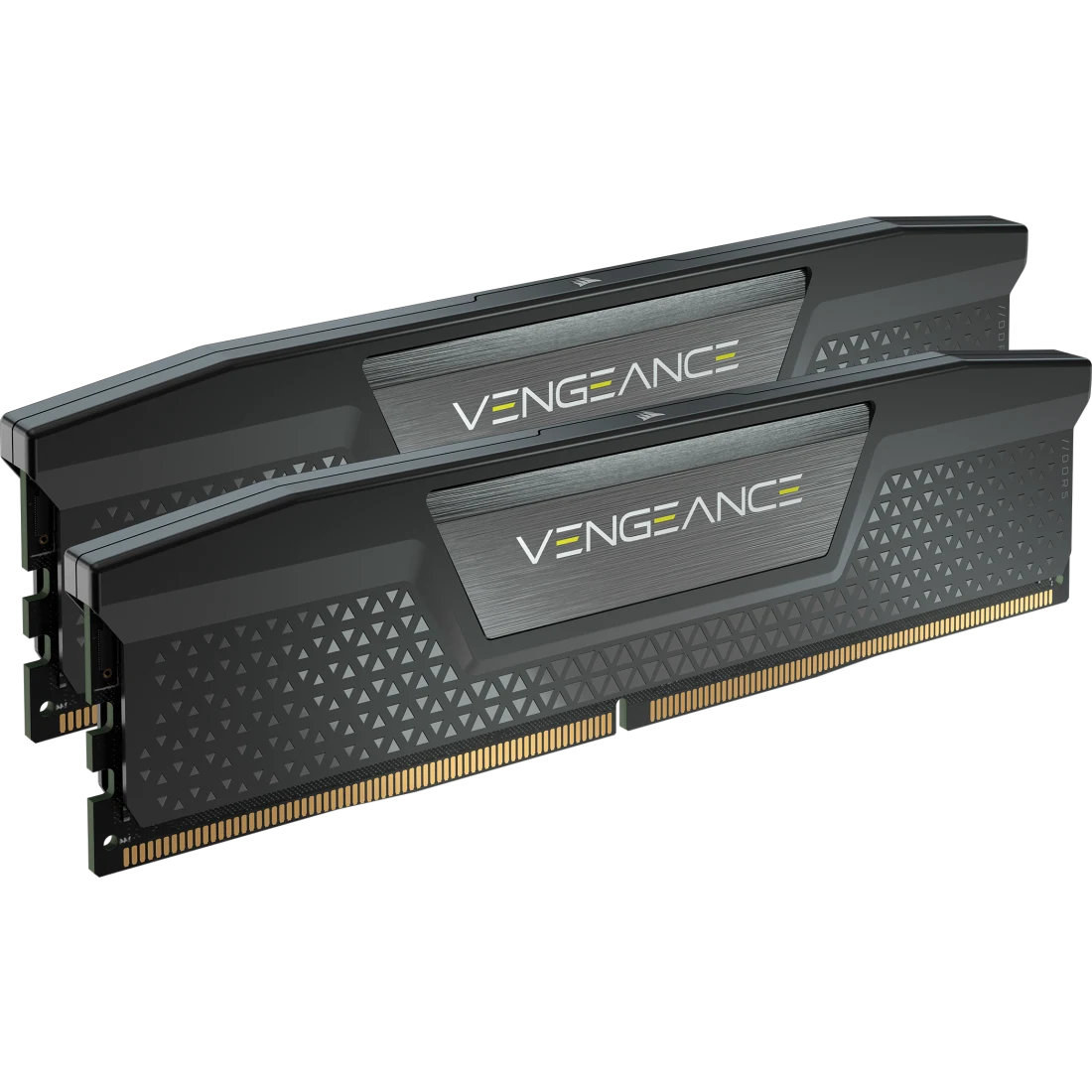
I have been tracking DRAM pricing the way other people track their retirement accounts, and the chart has stopped looking like a market and started looking like a fire. Tom's Hardware's latest price tracking puts the twelve-month increase for DDR5 at roughly 500% on average, with the worst-hit kits sitting at up to 10x their all-time lows. The headline example: a 128GB DDR5-6400 kit that bottomed out at $329 now lists at $3,399. That is not a typo, and it is not a scalper markup. That is the retail shelf price.
From $329 to $3,399: One Kit, One Year
According to the same reporting, twelve-month increases across the DDR5 lineup range from roughly 355% on the milder SKUs to over 900% on the parts that got hit hardest, depending on capacity, speed bin, and how much channel inventory a given part still had when the squeeze started. This lines up with TrendForce's contract price data: conventional DRAM contract prices rose 93 to 98% quarter over quarter in Q1 2026, another 60% in Q2, and Q3 is forecast to add another 13 to 18% on top of that. This is not a one-time spike that corrects itself. It is compounding, quarter after quarter.
Why This Is an HBM Problem, Not a DDR5 Problem
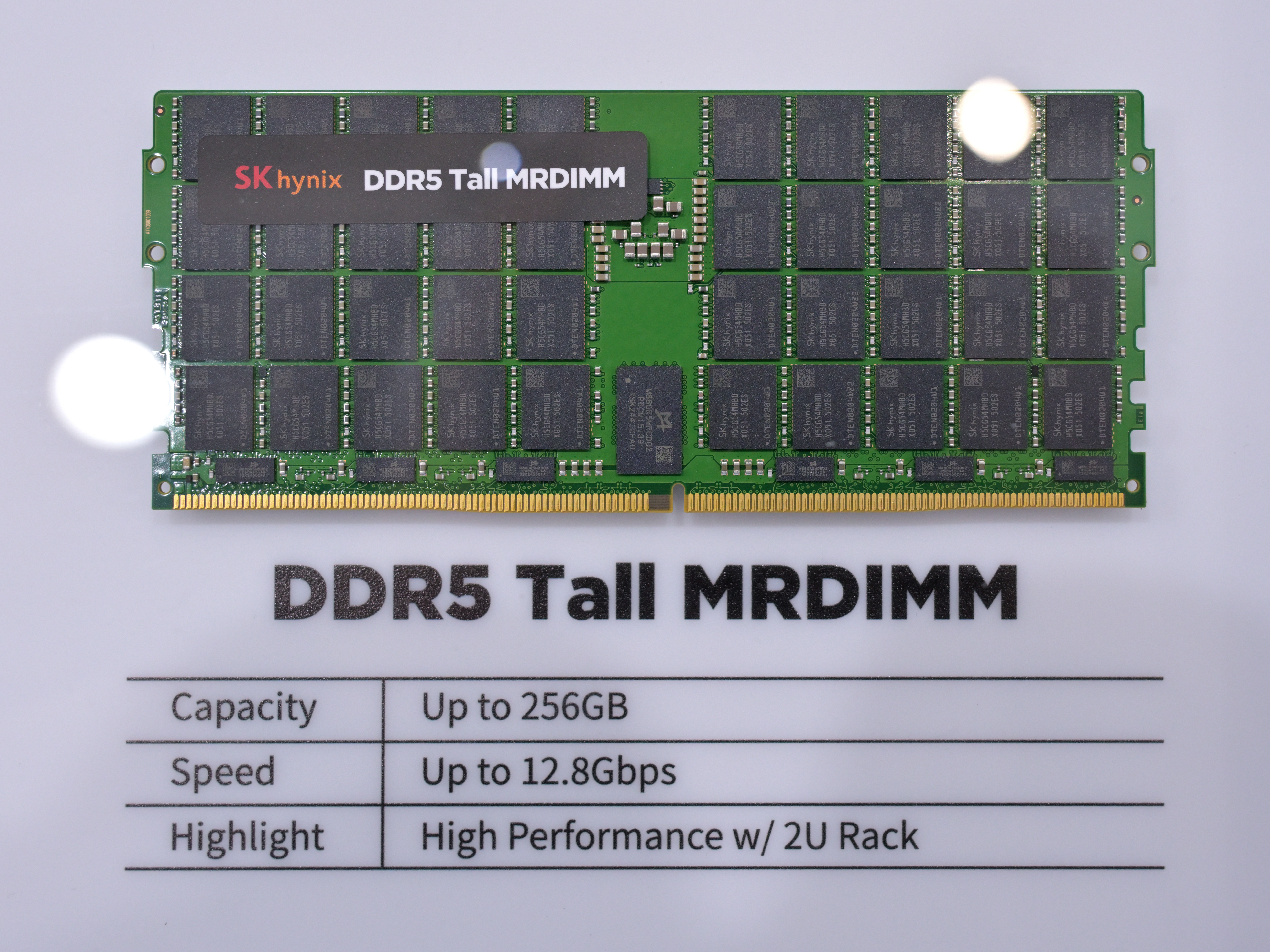
The mechanism here matters more than the number. Samsung, SK hynix, and Micron have not stopped making DRAM, they have stopped making consumer DRAM. Wafer starts are being redirected to HBM for AI accelerators, where buyers sign multi-year supply agreements and pay margins that commodity DDR5 sticks can never match. A fab line that used to print 32GB UDIMMs for your desktop is now printing stacked memory for a data center that will pay ten times more per wafer and commit to buying it for years. From the fab's perspective, why would they build you a $90 memory kit when they could build an H-series accelerator's memory stack instead? This is the same root cause behind every DRAM and NAND shortage headline this year, and it is not going away until AI accelerator demand cools or new fab capacity comes online, which realistically means sometime in 2027 at the earliest.
ECC and Registered Memory Are Not Exempt
Here is the part that should worry anyone running a real NAS or homelab server rather than a gaming rig: ECC UDIMMs and RDIMMs come off the same production lines as consumer DDR5. They are not a protected category. If anything, server memory demand from the same AI buildout is squeezing supply from the other direction, since hyperscalers also buy conventional server DRAM by the truckload for the CPU side of their AI racks, not just HBM for the accelerators. If you are speccing a TrueNAS or Unraid box that leans on ECC for the reason ECC exists, silent bit flips corrupting your pool over years of uptime, you are shopping in the same squeezed market as everyone buying a gaming kit, just with fewer SKUs and less competition holding prices down.
What This Means If You're Planning a NAS Build
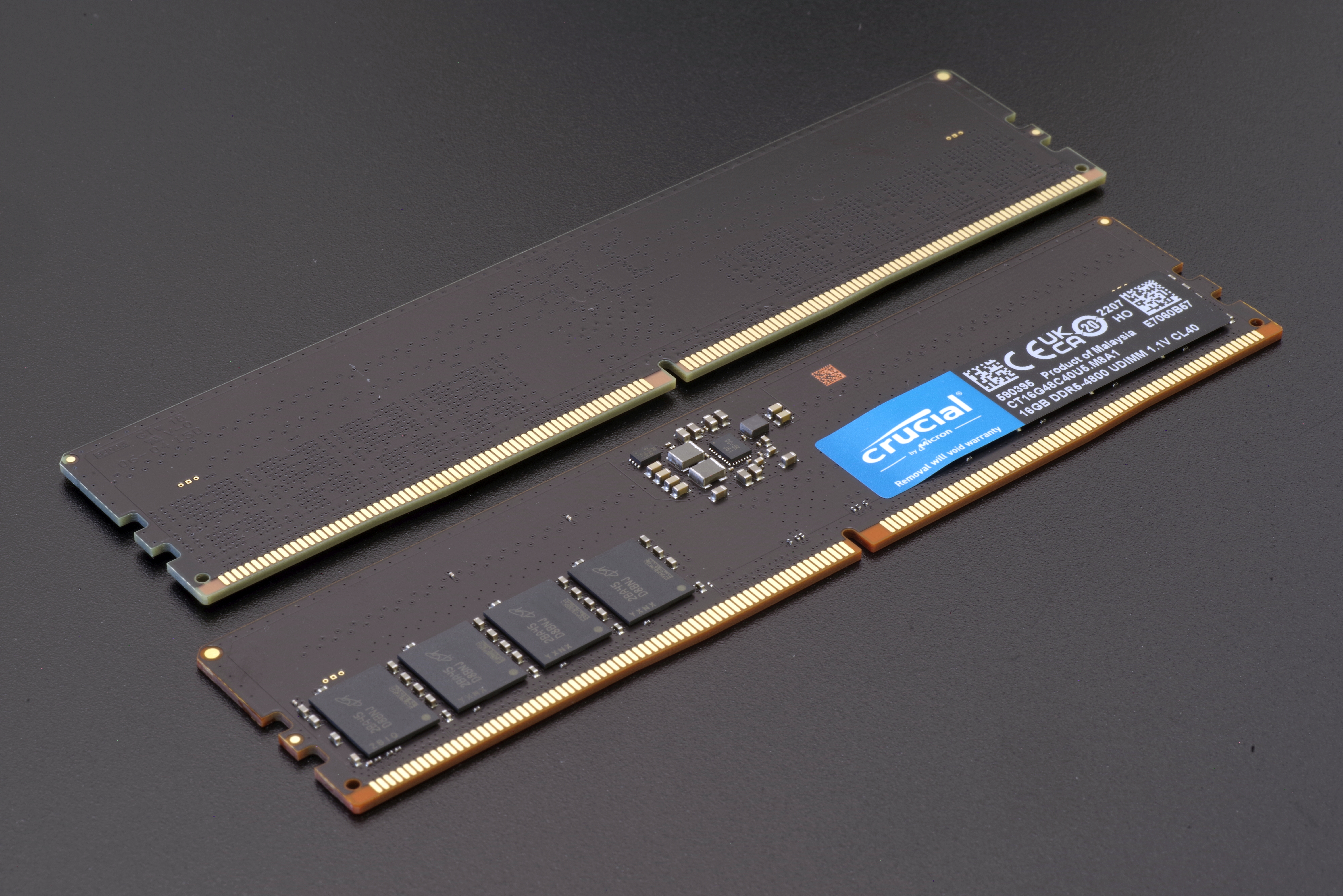
ZFS wants RAM. ARC caching is what makes a scrub fast and a resilver survivable instead of a multi-day ordeal hammering your drives, and skimping on memory to save money is exactly the kind of shortcut that turns a routine drive failure into a real data loss event. I have watched people respond to this price environment by cutting RAM capacity to hit a budget, and I get the instinct, but undersized ARC means more disk I/O during scrubs and resilvers, which means more mechanical stress on drives that are already the most likely component to fail. The DDR4 market tells you where this goes if you wait: DDR4 spot pricing hit $42.45 on August 7, roughly $7.64 per gigabyte, and 32GB DDR4 kits that were $60 to $90 in late 2025 are now north of $150. DDR4 is the older, supposedly obsolete standard, and it is getting dragged up too because buyers priced out of DDR5 are flooding into it.
My Advice: Buy the RAM Before You Buy the Drives
If you have a NAS build planned for this year, buy the memory kit first and let the chassis and drives wait if you have to choose. Drive prices move on their own shortage cycle, but at least HDDs and SATA SSDs are not competing directly with AI accelerator supply chains the way DRAM is. RAM is the one component in a NAS build where the price curve right now is genuinely exponential rather than cyclical, and every trend line points to Q4 2026 being worse than Q3. And once the build is done, none of this changes the fundamental rule: no RAID is a substitute for backups, whether your ARC is sized right or not. A bigger cache reduces how often your drives have to work hard, it does not reduce how often you should be testing your restores.
Loading comments...