
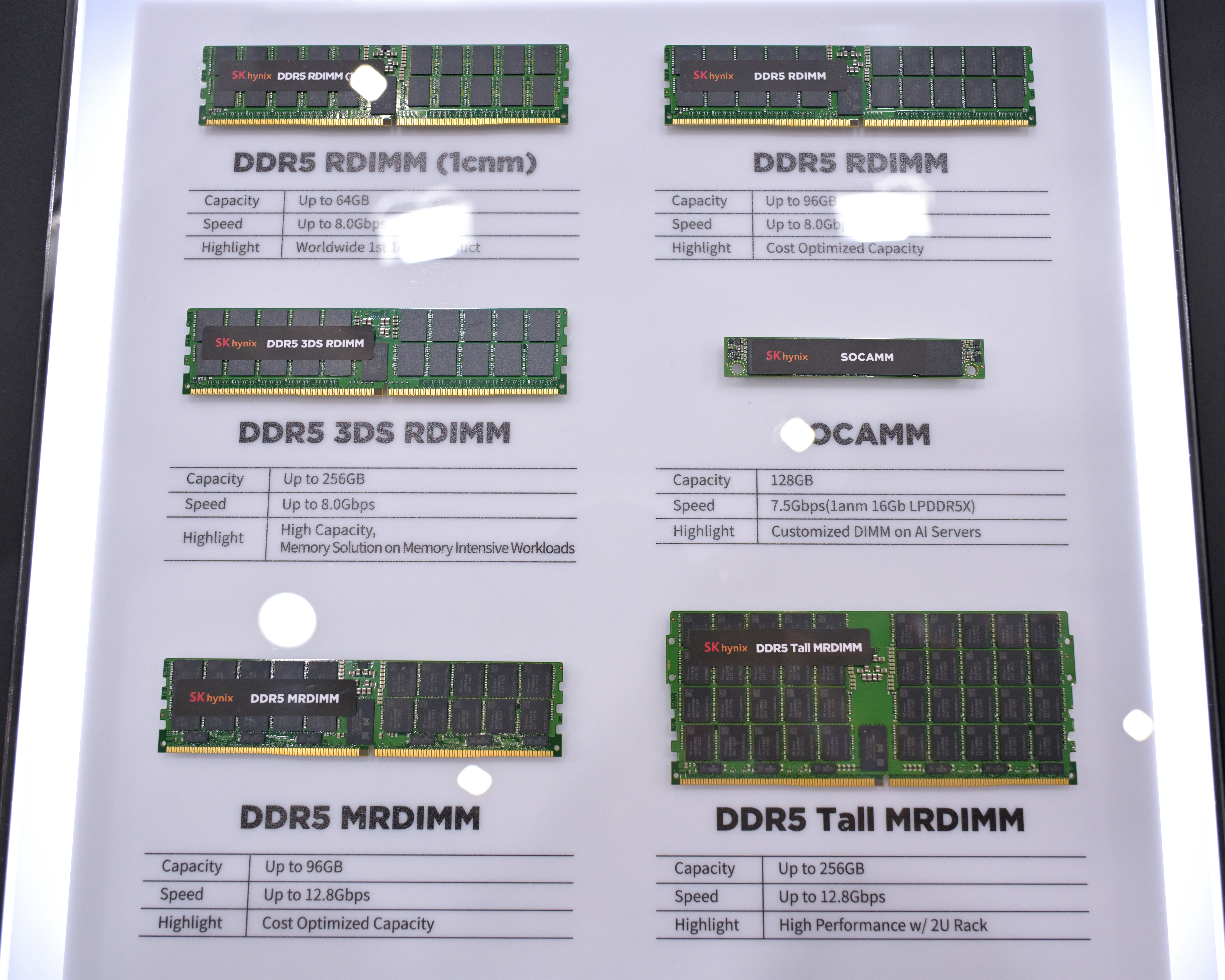
The Shortage Made Counterfeiting Profitable Again
Every memory shortage in history has produced the same side effect: once the margin on a fake stick gets close to the margin on a real one, somebody starts gluing plastic to a PCB and calling it DDR5. We are there again. A 32GB DDR5-6000 kit that sold for roughly $90 in the summer of 2025 is now going for $375 to $400, and that price curve has dragged counterfeiters straight back into the memory market after a few relatively quiet years.
PCWorld reported in May that fake DDR5 SO-DIMMs are circulating on secondary marketplaces, most visibly on Yahoo Auctions in Japan, using a method that is almost insulting in its simplicity: scammers glue plastic memory chips, wholly fake or mixed with a handful of real ones, onto an otherwise legitimate-looking circuit board. Listings get marked "junk" or "untested" to dodge return obligations. Buyers find out only after the system won't boot, or worse, boots and reports a fraction of the advertised capacity. One buyer only confirmed the fraud by physically prying a chip off the board.
It's Not Just No-Name Junk Anymore
What makes this round worse than the usual gray-market garbage is that it's no longer limited to unbranded modules. Igor's Lab reported that G.Skill and V-Color representatives confirmed at Computex 2026 that counterfeits carrying their branding are circulating on Chinese marketplaces, with matching PCBs and heatspreaders good enough that visual inspection alone won't catch them. V-Color said the fakes are actively hurting sales in China. Neither company has confirmed what's actually inside the counterfeit modules, whether the SPD is programmed correctly, or whether XMP and EXPO profiles even function, because the point of a convincing fake is that you don't get to find that out until it's installed.
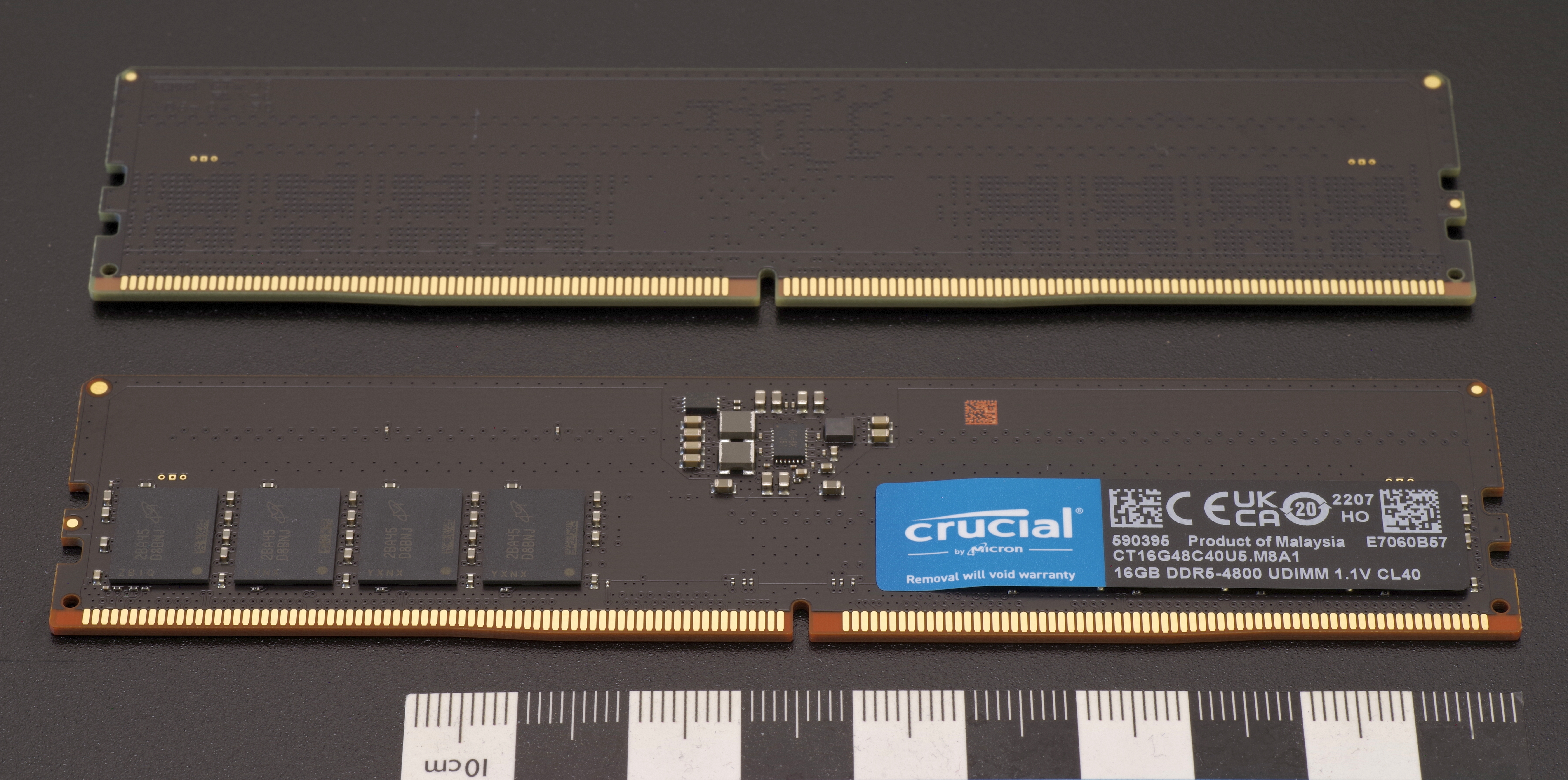
That SPD chip matters more than most buyers realize. Every DDR5 module carries a JEDEC SPD5118 EEPROM, 1024 bytes that tell your motherboard the module's timings, voltage, and capacity. A counterfeiter who nails the SPD data but fakes the actual memory array behind it produces a stick that enumerates correctly in BIOS and still lies to you about every byte it stores.
Why This Is a Data Integrity Problem, Not Just a Fraud Problem
A gamer who gets scammed loses money and RMA time. Somebody who puts a counterfeit stick into a NAS, a file server, or anything running a RAID array is looking at a different category of problem: silent corruption. Non-ECC RAM already can't tell you when a bit flips. A partially fake DIMM that's marginal or outright broken in ways that don't show up as an immediate crash will happily hand corrupted data to ZFS, Btrfs, or whatever parity scheme you're running, and unless that filesystem does checksumming, it will write the garbage to disk as if nothing happened. RAID and parity protect against drive failure. They do nothing for data that was already wrong before it left the memory controller. No RAID is a substitute for backups, and neither is a RAID array a substitute for RAM you can actually trust.
If you're running anything with ECC, this is one more reason to pay it: ECC won't catch a wholesale fake chip that reports the wrong capacity, but it will catch and log the kind of intermittent bit errors a marginal counterfeit module tends to throw under load, long before you'd notice from symptoms alone.
Compounding Factors
The timing is not a coincidence. Samsung reportedly raised list pricing on its 32GB DDR5 modules from $149 to $239 this September, a 60% jump in a single month, as AI datacenter demand keeps eating DRAM wafer capacity that used to go to consumer kits. Micron formally exited the consumer Crucial memory business earlier this year to chase higher-margin enterprise and HBM contracts, leaving Samsung and SK Hynix as the only major suppliers still bothering with retail buyers. Less legitimate supply chasing more desperate demand is exactly the environment where a convincing fake becomes worth manufacturing.
How to Not Get Burned
Buy from authorized retailers and keep the receipt, full stop. If you're buying used or from a marketplace listing because retail pricing is insane right now, which is a completely reasonable position to be in this year, verify the SPD data with a tool like Thaiphoon Burner before you trust the stick with anything that matters, run a multi-pass memtest (not a quick five-minute one, an overnight one) before it goes anywhere near a production system, and weigh the physical module against the manufacturer's published spec if you have any way to check. None of that is foolproof against a well-made fake, but it catches the sloppy ones, and right now there are a lot of sloppy ones.
The RAM crisis was already going to be expensive. Now it's also a reason to double-check every stick before you trust it with data you can't afford to lose.
Loading comments...