
The Auerbach Line Has Gone Quiet
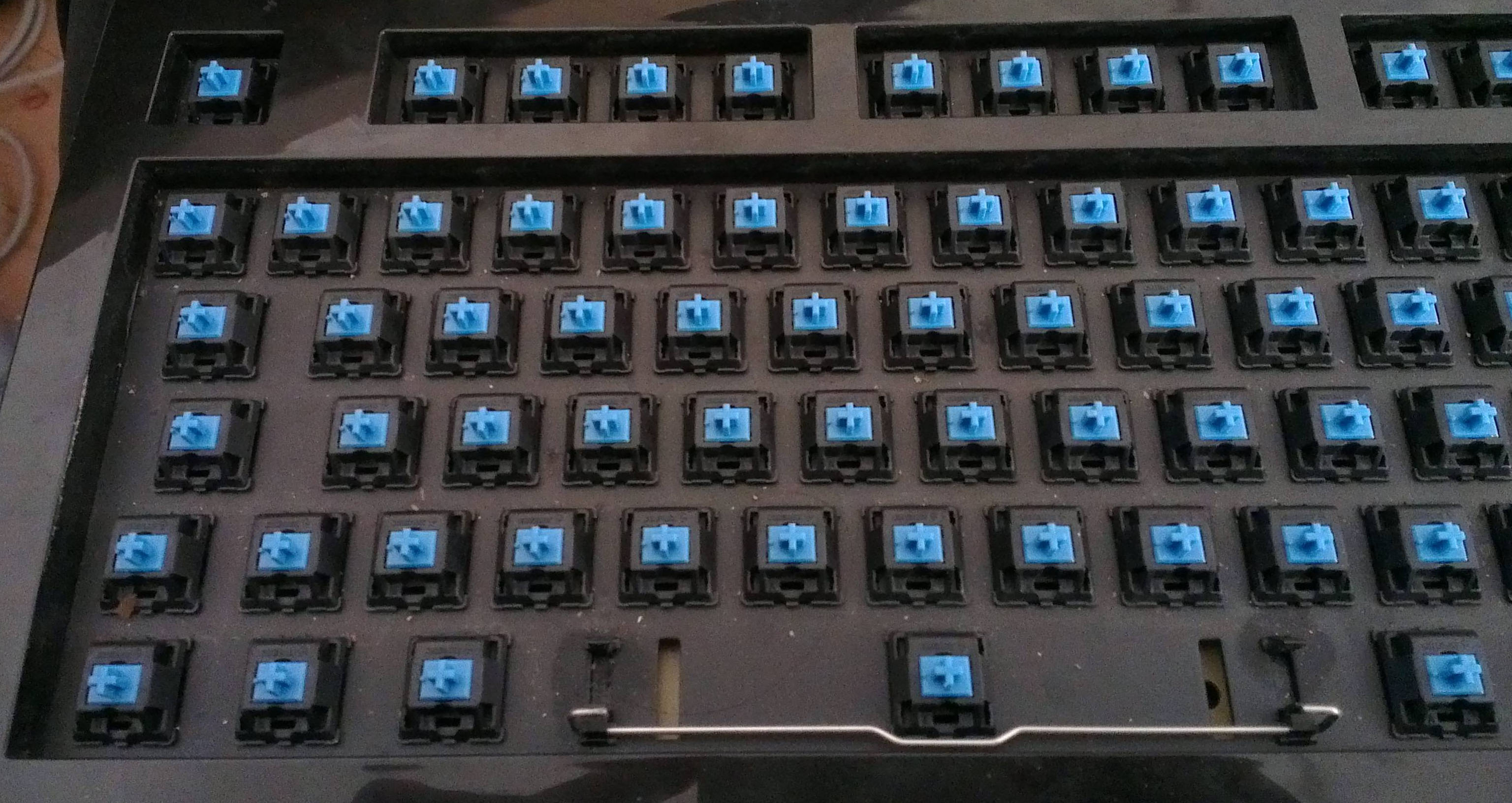
I've got a Cherry G80-3000 on my desk that's older than some of the people reading this, black Cherry MX switches, tactile bump like a light knuckle-tap, that specific plasticky clatter German-made Cherry switches always had. That line is done. Cherry AG has confirmed it has ceased mechanical switch manufacturing at its Auerbach facility, the same town in Germany where MX switches have been made since the 1980s, and shifted production entirely to partners in China and Slovakia. Auerbach stays open, but only as a development, logistics, and service site. No more switches physically made there. If you've been chasing NOS German-made MX Blacks for a build, the well just went from shrinking to closed.
How Bad the Numbers Actually Are
This isn't a company trimming a cost center, it's a company in real trouble. Cherry posted a net loss of roughly €20.4 million on revenue of just €70.7 million for the first nine months of 2025, and the stock is trading under €1 a share. CFO Jurjen Jongma put it bluntly: the company is "so devalued that very few alternative options remain." To put the decline in perspective, look at the annual revenue trend below. This isn't a pandemic hangover, it's five straight years of erosion.
Cherry already sold off its Active Key hygiene-peripherals division and washable keyboard lineup for €12.5 million, and it's now shopping around one of its two remaining core units, either Peripherals (the keyboards and mice most of us actually care about) or Digital Health & Solutions (card readers, PIN pads, e-health hardware). As of this week neither sale has closed. Whoever writes that check ends up owning a piece of mechanical keyboard history, and possibly the CHERRY brand name on retail boards going forward.
Why the Switch That Started the Whole Scene Couldn't Save the Company
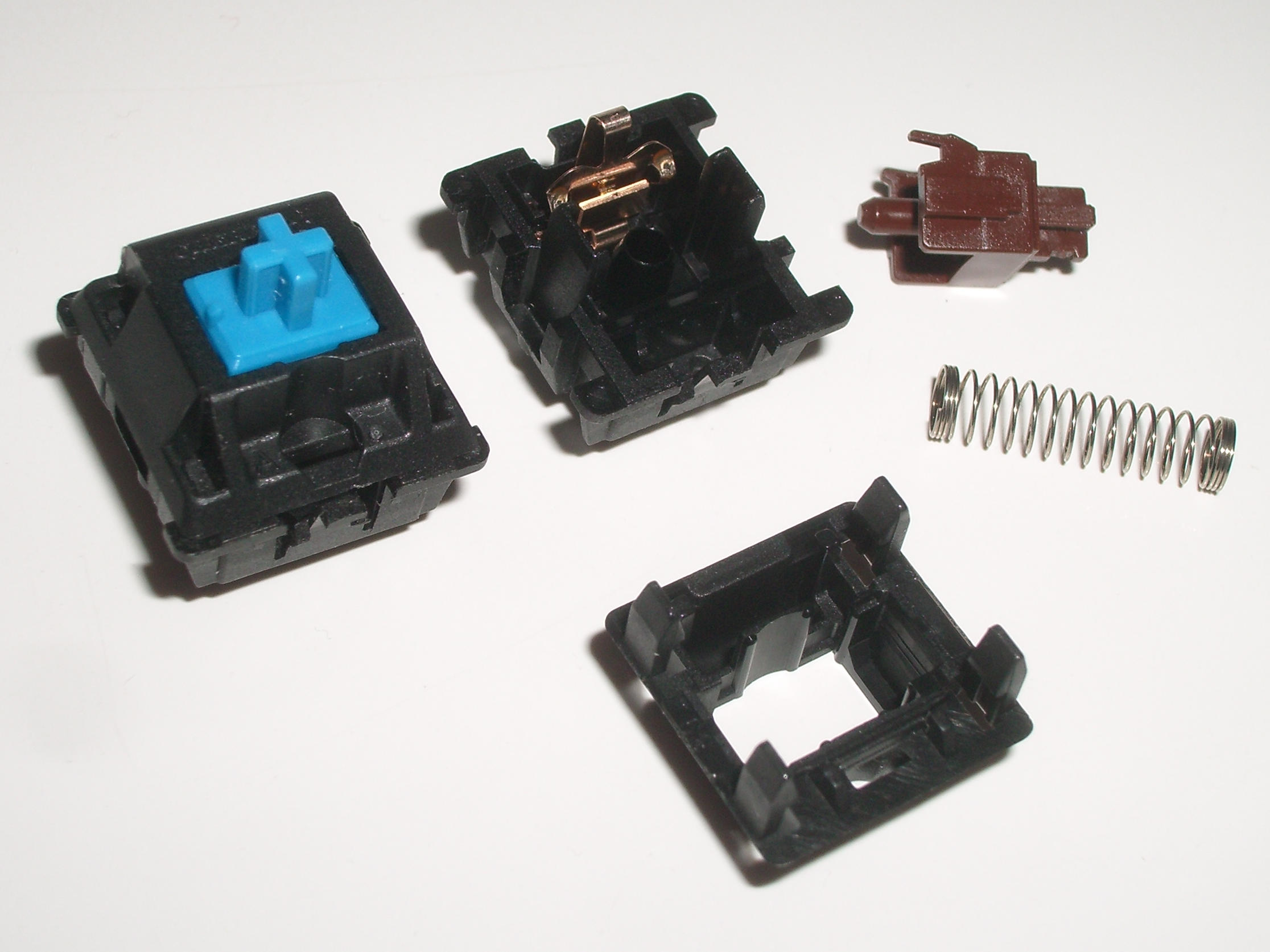
The uncomfortable truth for a switch nerd is that Cherry's problem was never product quality, it was the 2014 patent expiration on the original MX design. Once that patent lapsed, Gateron, Kailh, Outemu, and later a wave of boutique factories could stamp out MX-compatible stems and housings without paying Cherry a cent. A Gateron Yellow costs a fraction of a Cherry MX2A Black and, tuned right with a factory lube pass, feels smoother out of the box. The enthusiast community moved on years ago. Hot-swap sockets, which used to be a custom-keyboard party trick, are now a $45 feature on mass-market boards, and once switches became trivially swappable, brand loyalty to Cherry stopped mattering to anyone but office IT departments buying by the pallet.
Cherry tried to answer with the MX2A platform (better spring alignment, reduced wobble, quieter housings than the old MX1A) and more recently with TMR and inductive magnetic switches under the Xtrfy banner, chasing the Hall-effect and rapid-trigger wave that Wooting and Keychron have been eating market share with. Technically, MX2A is a genuine improvement, I've bottomed out MX2A Browns on a gasket-mounted board and the bottom-out is noticeably more controlled than old-stock MX1A. But being technically competitive in 2026 isn't the same as being the default choice, and Cherry's retail sales never recovered from the post-pandemic peripherals slump the way the rest of the market did.
What Moving Production Actually Changes for Your Next Board
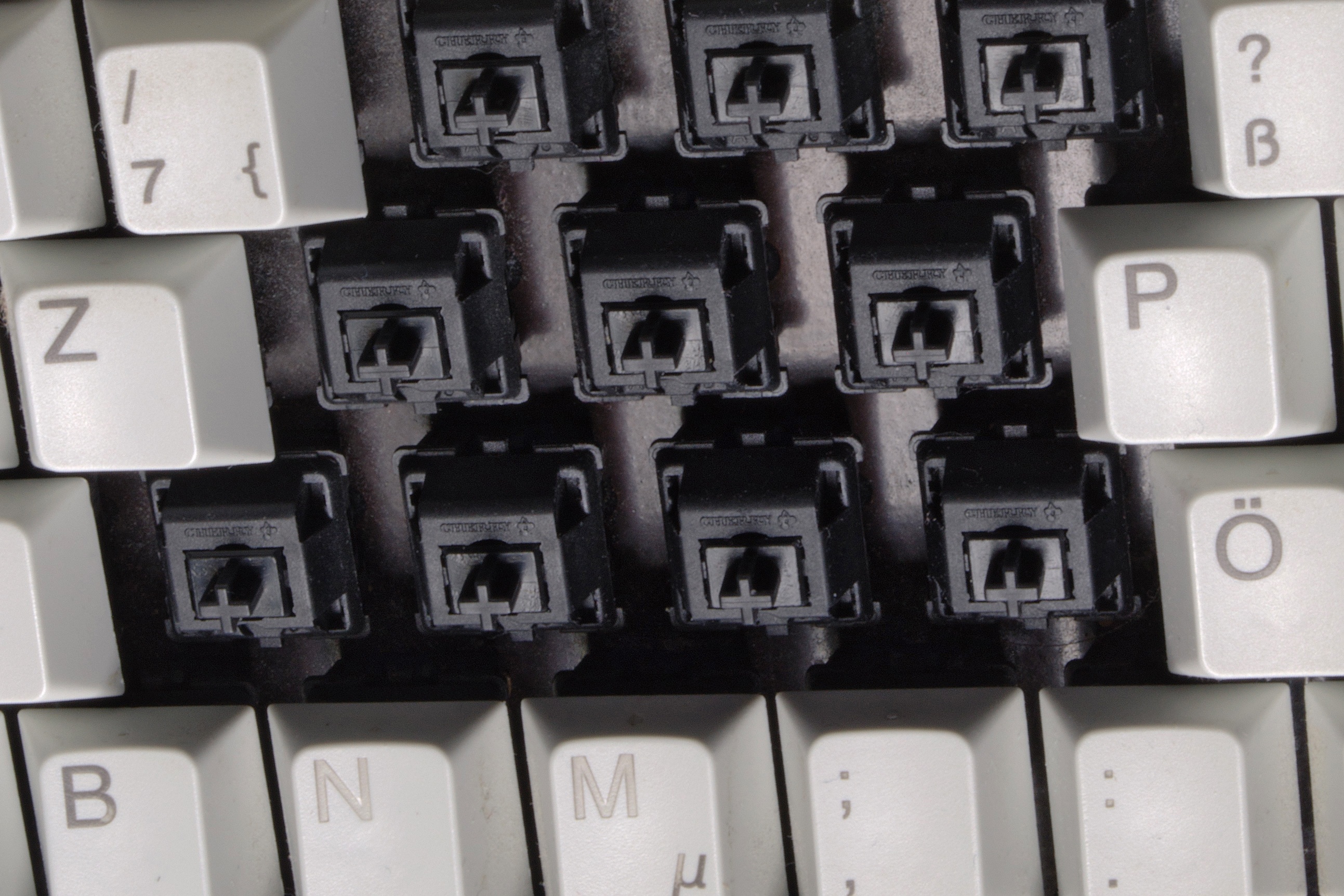
Sound and feel are what I get asked about most when a factory changes, and here's the honest answer: expect variance, at least short term. German Cherry factories had decades of tooling wear patterns baked into their housings, which is part of why old-stock Cherry Blacks have that specific deep, slightly hollow clack that collectors chase on forums. New tooling in China and Slovakia means new mold characteristics, and it'll take a few production runs before anyone can say definitively whether MX2A switches off the new lines sound the same, tighter, or looser than Auerbach units. If you've got a board full of German-made Cherry switches, that's now a specific, finite thing, not unlike how pre-patent-expiration MX Blacks became a small collector niche after 2014.
The Bigger Picture for the Switch Market
Cherry not finding a buyer, or getting bought by someone who guts the brand for the patent portfolio and IP, is a real scenario on the table right now. It wouldn't kill the mechanical keyboard scene, Gateron and Kailh have been doing the actual volume manufacturing for years regardless of whose logo is stamped on the switch. But it would close the loop on something: the company that invented the switch spec an entire hobby is built on top of no longer being able to compete in the market it created. Thock is a feeling, not a sound, but it started with a company that might not make it to 2027 in its current form. Keep an eye on who ends up owning the Peripherals division. That deal decides whether CHERRY keyboards exist as a real product line five years from now, or as a licensed name slapped on someone else's factory output.
Loading comments...