
When the Firmware Update Is the Bug
Anyone who has spent a weekend flashing a handheld back to a known-good image knows the drill: a driver update lands, something that was fine yesterday breaks today, and you spend an evening in a Discord thread figuring out which package to roll back. Bazzite's maintainers just did that publicly, at scale, for their entire handheld user base.
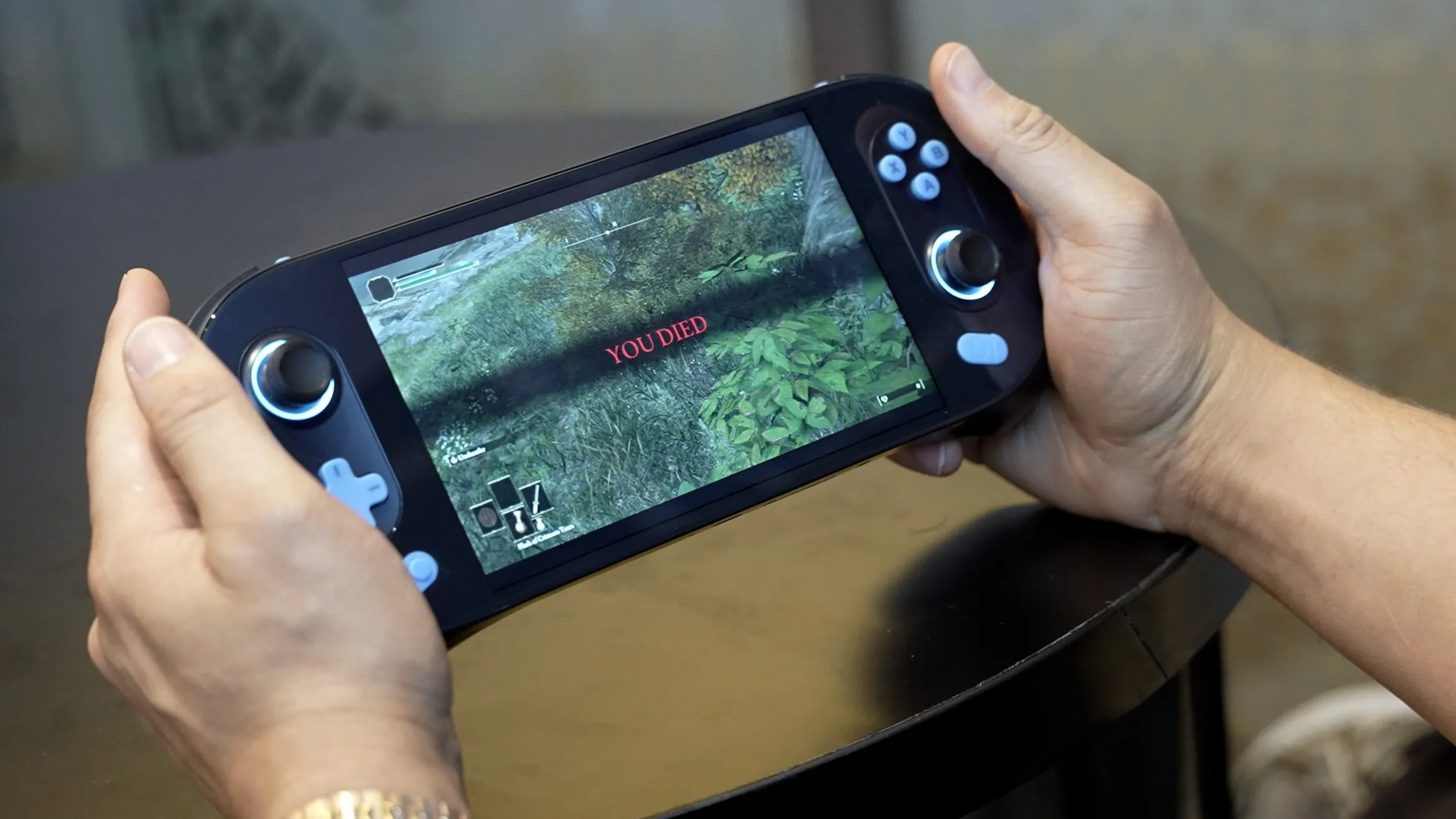
Bazzite 44.20260916 pins linux-firmware to build 20260810-1, rolling back from the September 10 update that shipped a week earlier. The commit message is blunt: "fix: Allow firmware pinning, pin to old version of firmware due to issues." The issues in question were speaker glitching on the ROG Xbox Ally X, similar audio corruption on various AYANEO and OneXPlayer units, and a nasty side effect on the desktop side where an RX 6650 XT saw severe frame rate drops. That last one is the reminder that Bazzite isn't just a handheld OS anymore, it's running on desktops and HTPCs too, so a firmware regression doesn't stay contained to one form factor.
What matters here for anyone actually running Bazzite on an Ally X right now is simple: update to 44.20260916 and the speaker crackling goes away, because the OS is holding back the firmware package that caused it rather than waiting for AMD or the kernel team to ship a proper fix upstream. That's the advantage of Bazzite living on the atomic Fedora base with its own firmware pinning mechanism instead of pulling whatever the distro ships that week.
SuiPlay0X1 Stops Getting Treated Like a Desktop
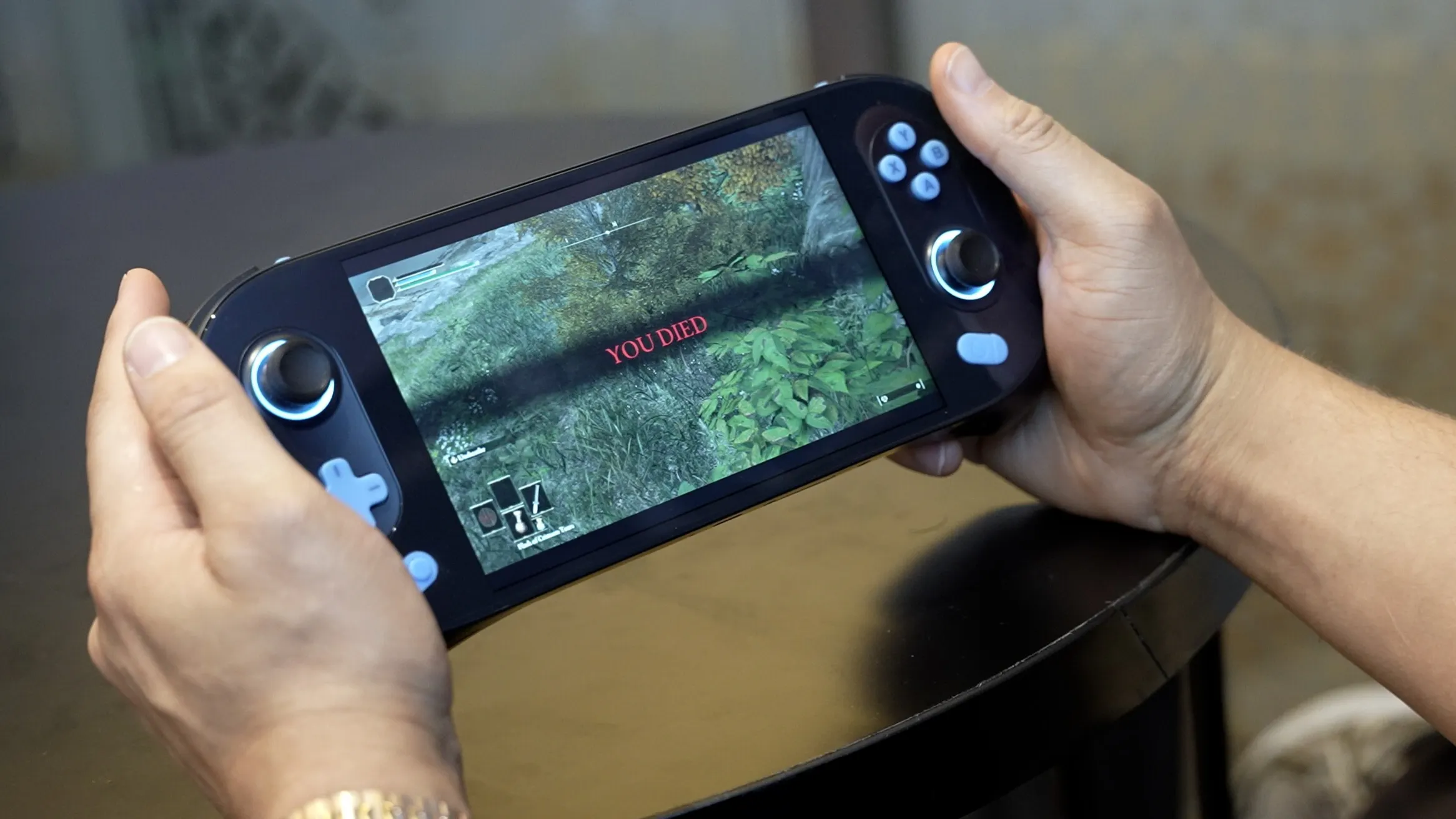
The more interesting fix in this release is device detection. The SuiPlay0X1, Mysten Labs' rebadge of the AYANEO 2S with its own branding and storefront ambitions, was being misidentified by Bazzite as an HTPC rather than a handheld. That sounds like a cosmetic bug until you realize what it actually breaks: InputPlumber, the input daemon that maps handheld controls into something Gaming Mode understands, only applies handheld-specific controller mapping when it correctly IDs the hardware. Get misclassified as an HTPC and your face buttons, back paddles, or gyro can end up unmapped or mapped to the wrong virtual gamepad, which is a miserable experience in Steam Big Picture.
This is a pattern worth knowing about if you're buying any of the flood of AYANEO-derived rebadges hitting the market this year. The silicon and chassis might be identical to a device Bazzite already supports, but device identification strings can differ enough that Gaming Mode treats it as something else entirely until someone files the bug and a maintainer adds the quirk. If you're on a rebadge and something like controller mapping or TDP control feels broken compared to what reviewers show on the original hardware, check whether your exact board ID is in Bazzite's device list before assuming it's a you problem.
The Broader September Push
This firmware pin is the tail end of a busier-than-usual month for Bazzite's handheld team. The September 6 update fixed VRR/HDMI 2.1 flickering on AMD devices, patched a bug where ASUS Ally X handhelds wouldn't wake properly from sleep if a controller was touched during the sleep animation, and restored the Steam+A/B button shortcuts that had stopped registering. It also brought the OGUI toggle for both TDP Boost and SMT to every supported handheld, which is the kind of change that actually matters for battery life tuning: being able to flip SMT off without dropping to a terminal means more people will actually experiment with undervolting and TDP limits instead of running everything at stock profiles because the tools felt too fiddly.
InputPlumber also picked up broader improvements across ASUS, AYN, Ayaneo, GPD, KONKR, and OneXPlayer hardware in that same window. For a project that started as "make the Deck's Arch base work on other handhelds," Bazzite is now doing device bring-up work for a genuinely wide swath of the AliExpress-and-beyond handheld market, which is exactly the kind of unglamorous compatibility labor that determines whether a $400 Chinese handheld is actually usable in Gaming Mode or just a Windows tablet with a worse UI bolted on.
Why This Matters More Than It Looks
Steam's own hardware survey shows why this kind of maintenance work carries real weight. Linux sat at 3.90% of the Steam user base in August 2026, down slightly from a March peak above 5%, and SteamOS Holo makes up 21.07% of that Linux slice, itself down over a point from the prior month. Every other Linux install on Steam, meaning every Bazzite, Nobara, and ChimeraOS box, is what's propping up the rest of that Linux number. When a firmware regression breaks audio on a flagship handheld running one of those distros, it's not a rounding error, it's a direct hit to the platform's credibility at a moment when Windows-based rivals like the ROG Xbox Ally line are trying to make the case that SteamOS-style gaming modes aren't worth the compatibility headaches.
The practical takeaway if you're running any AMD-based handheld on Bazzite: update to 44.20260916 now if you were seeing crackling audio or unexplained stutter, and if you're on a SuiPlay0X1 or another AYANEO rebadge, this is the point where Gaming Mode should finally treat your controller the way it treats the device it's actually built on. If you're still chasing the September 10 firmware bug on a different distro, pinning your own linux-firmware package to 20260810-1 manually will get you the same fix Bazzite just shipped.
Loading comments...