
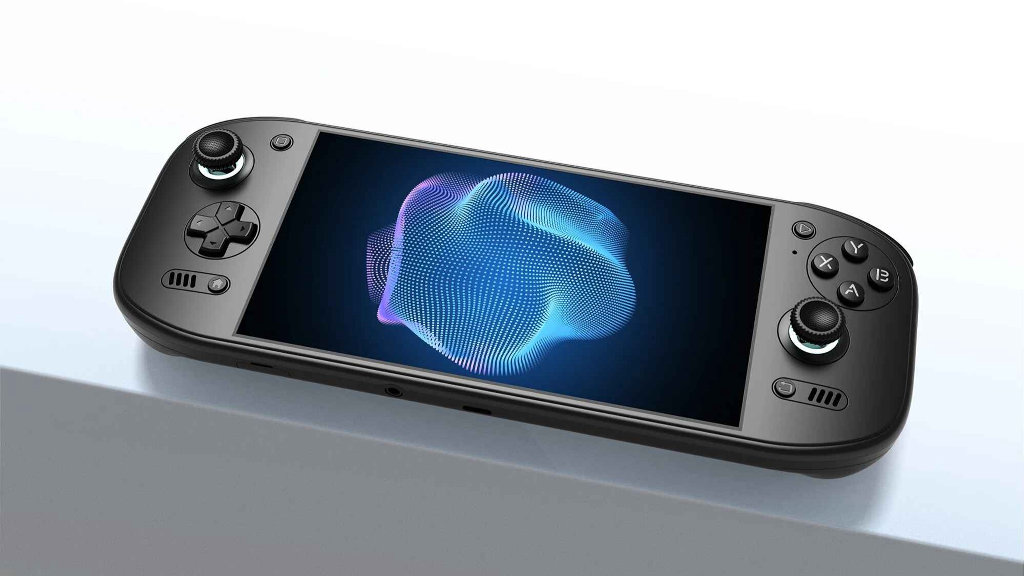
Four Configurations, One Expensive Storage Upgrade
AYN has opened Odin 3 Portal preorders, adding a 16GB/1TB configuration above the previously announced models. Promotional prices start at $399 and reach $669, with shipments expected in November, according to [Time Extension's October 23 update](https://www.timeextension.com/news/2026/10/ayn-odin-3-portal-pre-orders-are-live-new-1tb-model-added-to-the-range-prices-start-at-usd399). The price chart below compares those announced preorder offers, rather than delivered costs including shipping and taxes.
The jump from the 512GB Max to the 1TB Max costs $120 while retaining the same RAM capacity. That makes the top model a storage decision. I would want a substantial installed library before paying that premium; doubling internal storage does not establish any improvement in emulation speed.
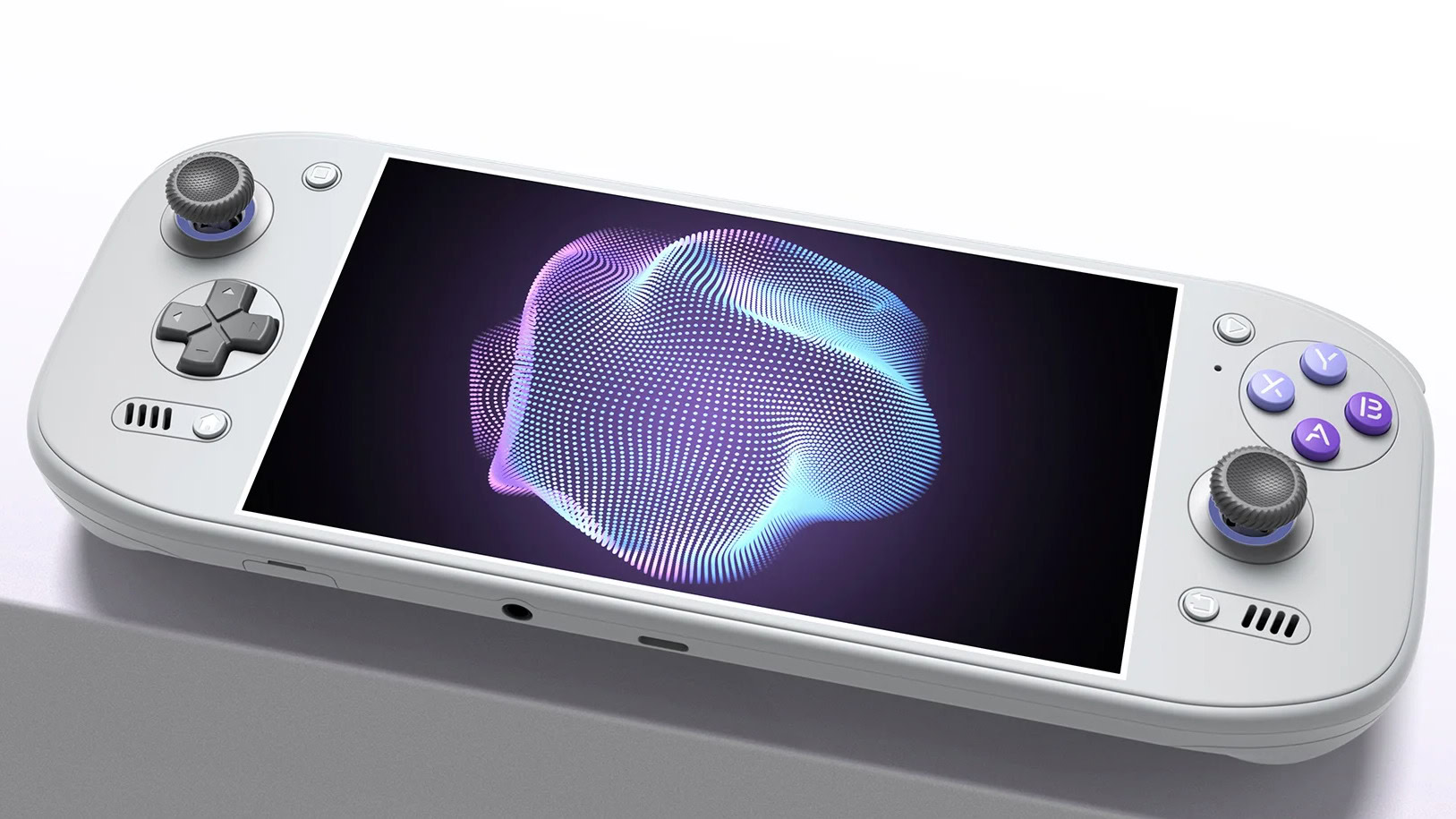
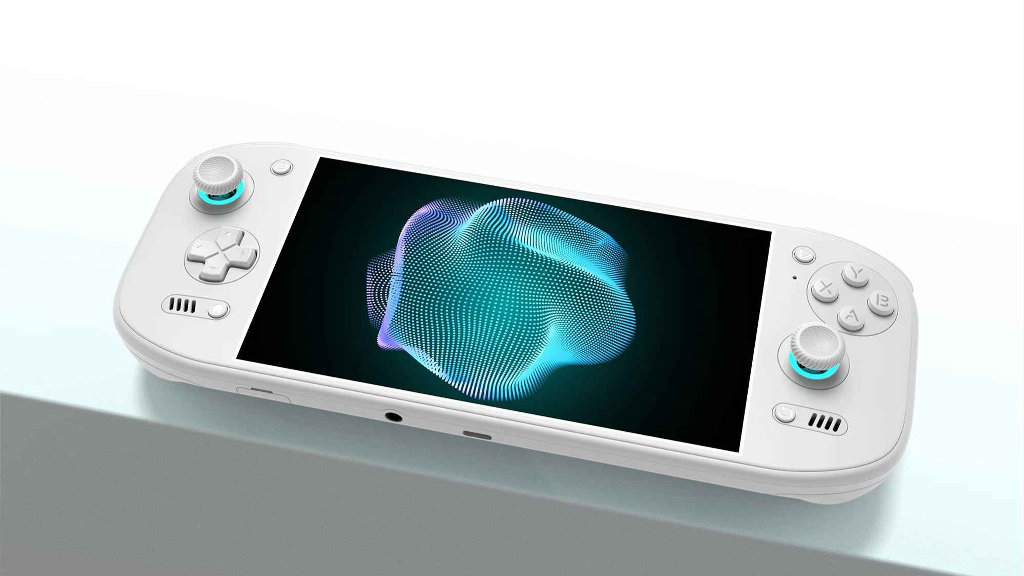
The Screen and Controls Deserve Attention
[AYN's product listing](https://www.ayntec.com/products/odin3-portal?variant=50562665054400) confirms the hardware specifications listed above, including Hall-effect sticks and an ergonomic grip. It also explicitly says that no games come preinstalled. For an emulation handheld, I care about how comfortably I can reach the controls during a long session as much as the processor name. The grip deserves a proper hands-on assessment before anyone calls this an upgrade for existing Portal owners.
The display's refresh rate creates useful options in principle: 120Hz can present 60fps content with each frame repeated twice. That is refresh-rate arithmetic, however, rather than a measurement of this panel's latency or frame pacing. Those details still need testing on the finished device.
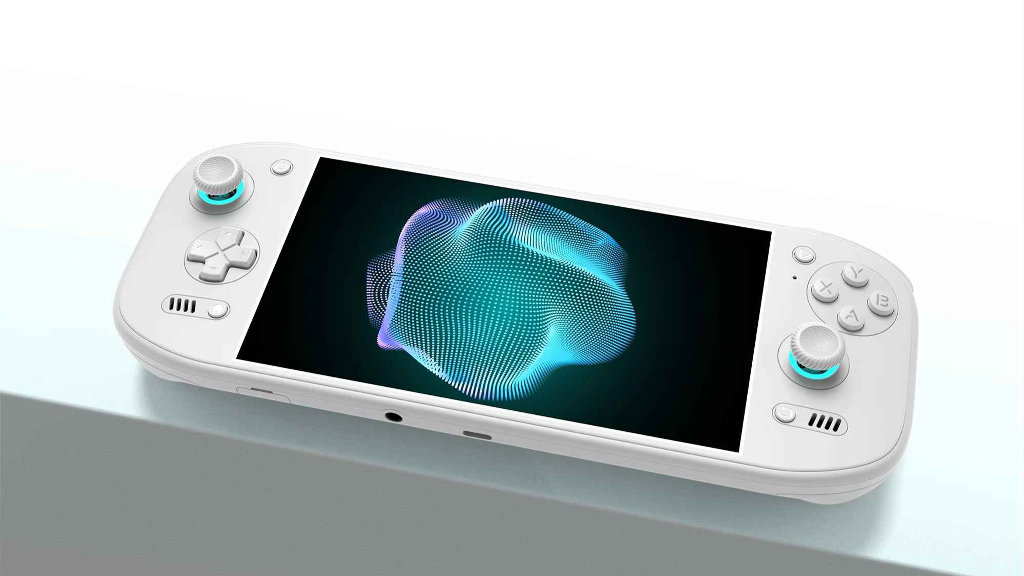
Compatibility Comes Before Chipset Bragging Rights
My buying checklist would start with per-game compatibility reports from the community. For demanding emulation, a faster processor cannot by itself establish that a particular emulator renders correctly or maintains consistent frame times. I would also want any custom firmware recommendation to identify the exact device and supported features before flashing anything.
Battery capacity is similarly only a starting point. The useful result is runtime per game at a stated brightness, resolution and performance setting. There are no measured runtime or FPS results presented here. Before choosing a configuration, I would wait for sustained-load testing that shows whether lowering performance settings meaningfully extends playtime without introducing stutter.
Loading comments...